
Upper Division • Grades 9–12
College Center
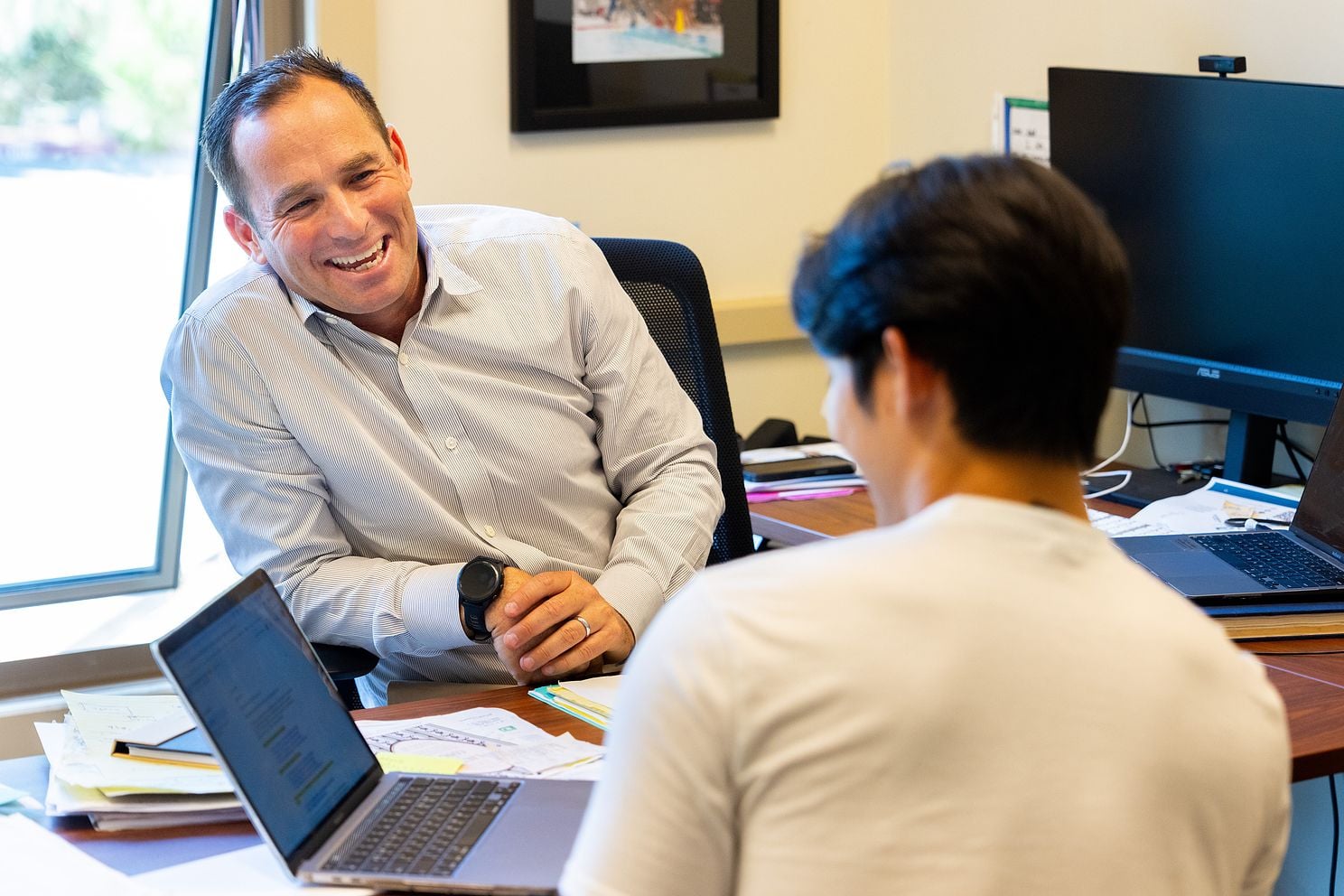
Preparing students for their next phase of learning
Stevenson’s College Center team works with students to create a thoughtful, strategic college plan—one that reflects their strengths, interests and aspirations. With personalized guidance at every step, we help students explore their options and find an inspiring path beyond Stevenson.
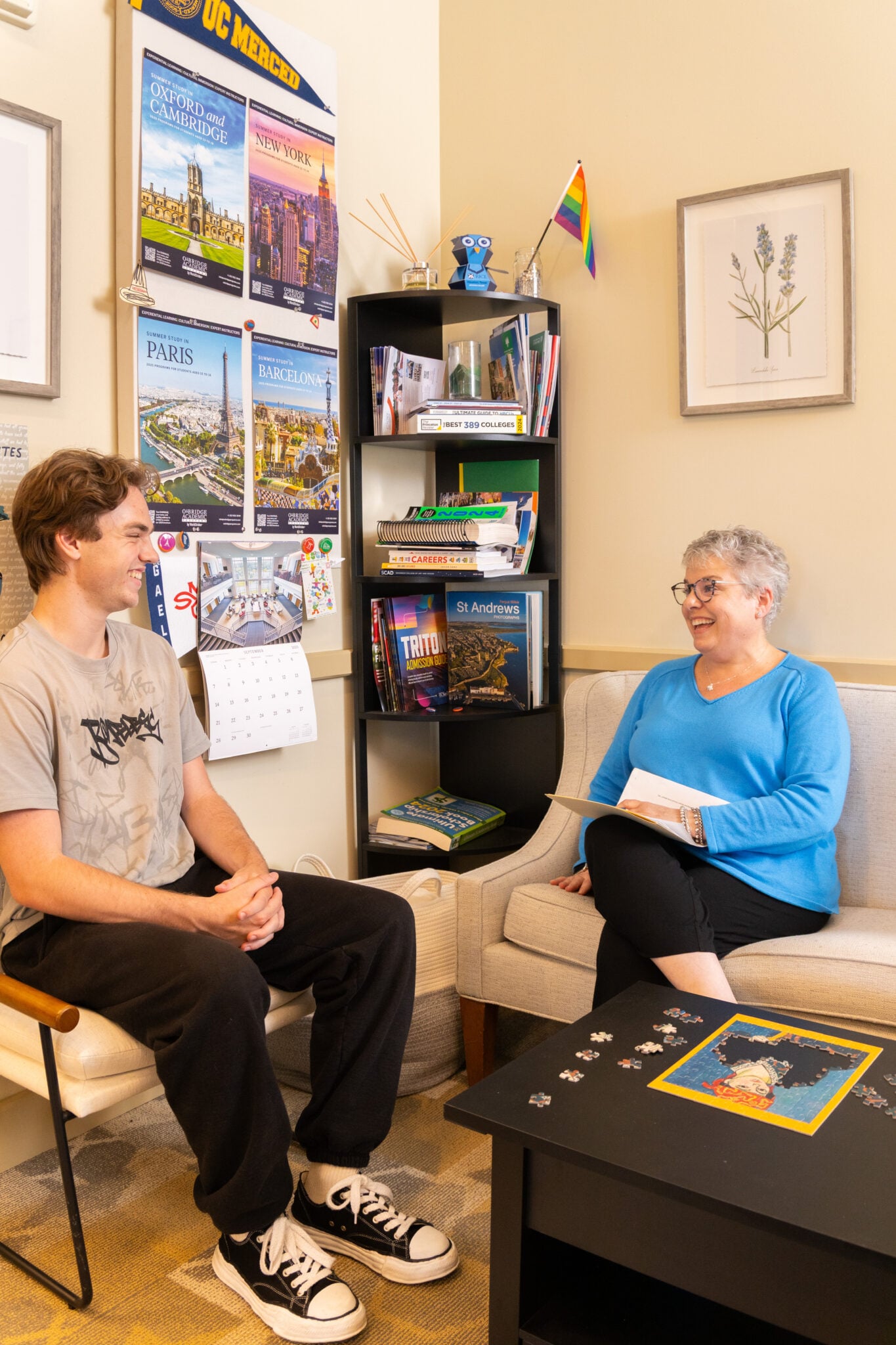
What sets Stevenson’s College Center apart?
We believe the best search process is both empowering and rigorous. The process begins by helping you to reflect substantively on your personal and academic journey, so that your applications will benefit from authentic self-knowledge. We also help you see through the noise created by misleading rankings, so your college list grows from a fact-based understanding of your options, from schools where admission is more likely to those that are more selective.

Our Results
In the class of 2026, 120 students received offers of admission from 255 colleges/universities in 40 states, the District of Columbia, and 9 countries.
Collegiate Success Facts & Figures
100%
of graduates attend four-year schools
13
college applications per student average
65–68%
applied to colleges Early Action or Early Decision
255
colleges and universities offered admission to Class of 2026 students
22
states plus D.C., and 4 countries are where our graduates are heading
3x
the national average for graduates who go on to compete in college athletics
College Applications & Enrollment
Schools with 20+ Applications (20 or more applications, past two years): Boston College, Boston University, Brown University, Cal Poly San Luis Obispo, Chapman University, Cornell University, Duke University, Fordham University, Loyola Marymount University, NYU, Northeastern University, Northwestern University, Pepperdine University, San Diego State University, Santa Clara University, Stanford University, Tufts University, Tulane University, UC-Berkeley, UC-Davis, UC-Irvine, UCLA, UC-San Diego, UC-Santa Barbara, UC-Santa Cruz, University of Colorado-Boulder, University of Illinois-Urbana Champaign, University of Michigan, UNC-Chapel Hill, University of Oregon, University of Pennsylvania, University of San Diego, USC, University of Virginia, University of Washington, Washington University-Saint Louis
Top Schools for Enrollment, 5 years: Cal Poly-San Luis Obispo (23), Santa Clara University (21), University pf Colorado-Boulder (17), Loyola Marymount University (18), NYU (18), Boston University (17), UCLA (15), USC (15), Northeastern University (12), UC-Irvine (12), San Diego State University (11), UC-Berkeley (11), UC-Santa Barbara (11), Emory University (10), UC-Davis (10), Southern Methodist University (9), Chapman University (8), Wellesley College (8), Tufts University (7), UC-Santa Cruz (7), University of Oregon (7), Cornell University (6), Yale University (6)
Information by Grade
This year is a time of transition. Each student will build on foundational knowledge and begin to think and write critically, independently and imaginatively.
It is also a time to try new things by joining clubs and participating in sports, arts and community service. Colleges look at the Grade 9 record during their evaluations to see if the student took on academic challenge and got off to a strong start; however, these grades are not calculated into Stevenson’s cumulative GPA.
Students will begin to satisfy the Stevenson graduation requirements, taking a program that includes English, history, language, math and science.
With the assistance of advisors and the college counseling team, Grade 10 students continue to challenge themselves in their four-year academic and extracurricular plan.
Sophomores should continue with activities in order to deepen their commitments, taking the opportunity not only to participate but lead when possible, and to express their unique talents.
All sophomores will take the PSAT exam in October (scores available in November). This preliminary SAT exam exposes students to the content and style of the SAT Reasoning Test but is only for practice. Reviewing the scores can also be helpful to determine if further preparation or tutoring would be helpful for future testing. In winter, parents of sophomores are invited to a PSAT informational evening to learn more about reading the results, the standardized testing calendar and the college planning timeline.
In the spring semester, sophomore students are encouraged to consider assessments as found on 16personalities.com or truity.com (both offering a Myers-Briggs Personality Test) to explore possible career matches for their unique skills and interests. This could lead to interesting explorations of summer programs, volunteer opportunities or jobs that could provide further guidance later in the college search.
Juniors continue to take challenging yet appropriate courses, relying on their teachers, advisor and college counselors for proper placement. They should take the most rigorous courses in which they can do well to be as prepared for specific college majors or level of admissions selectivity.
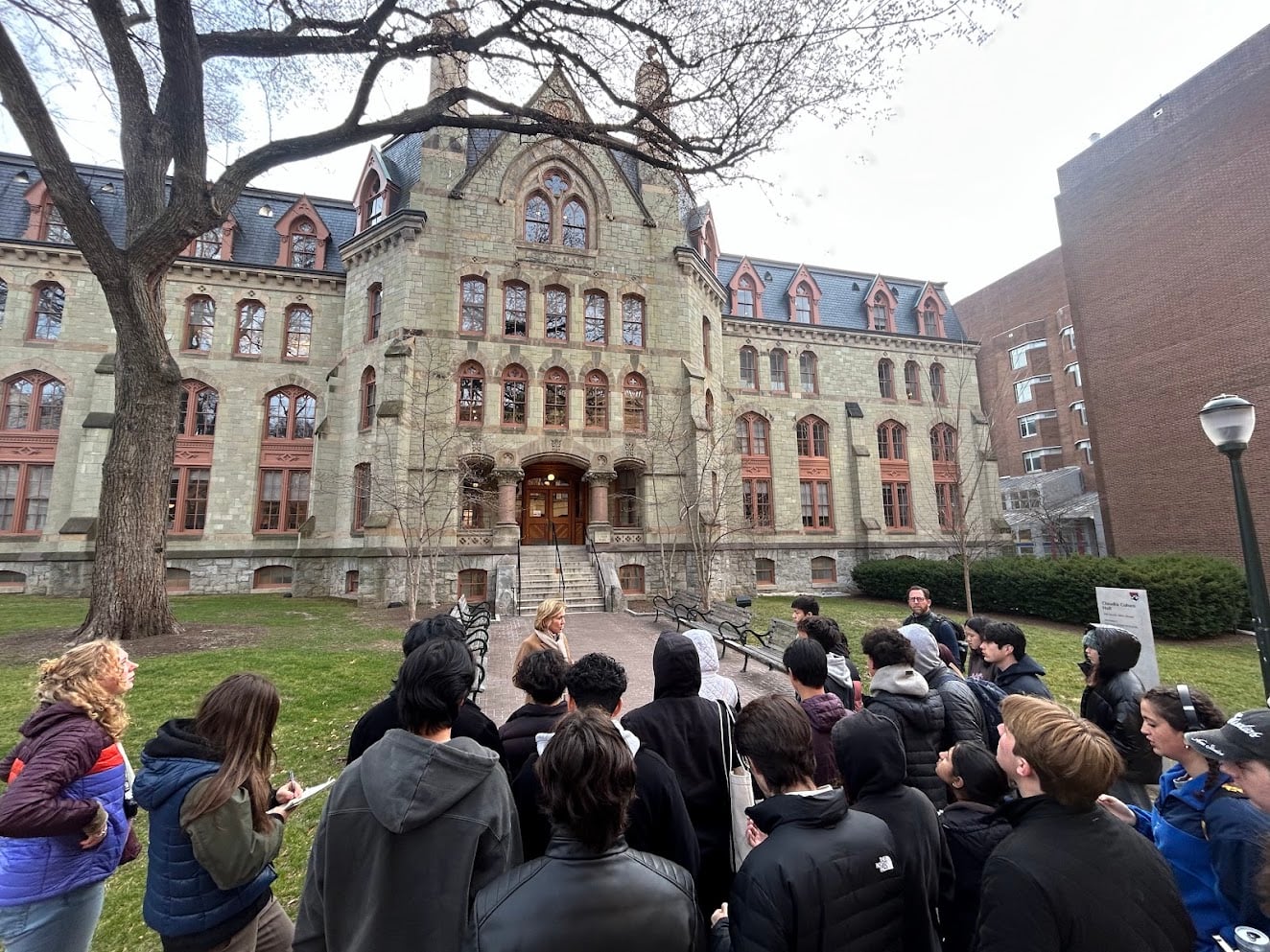
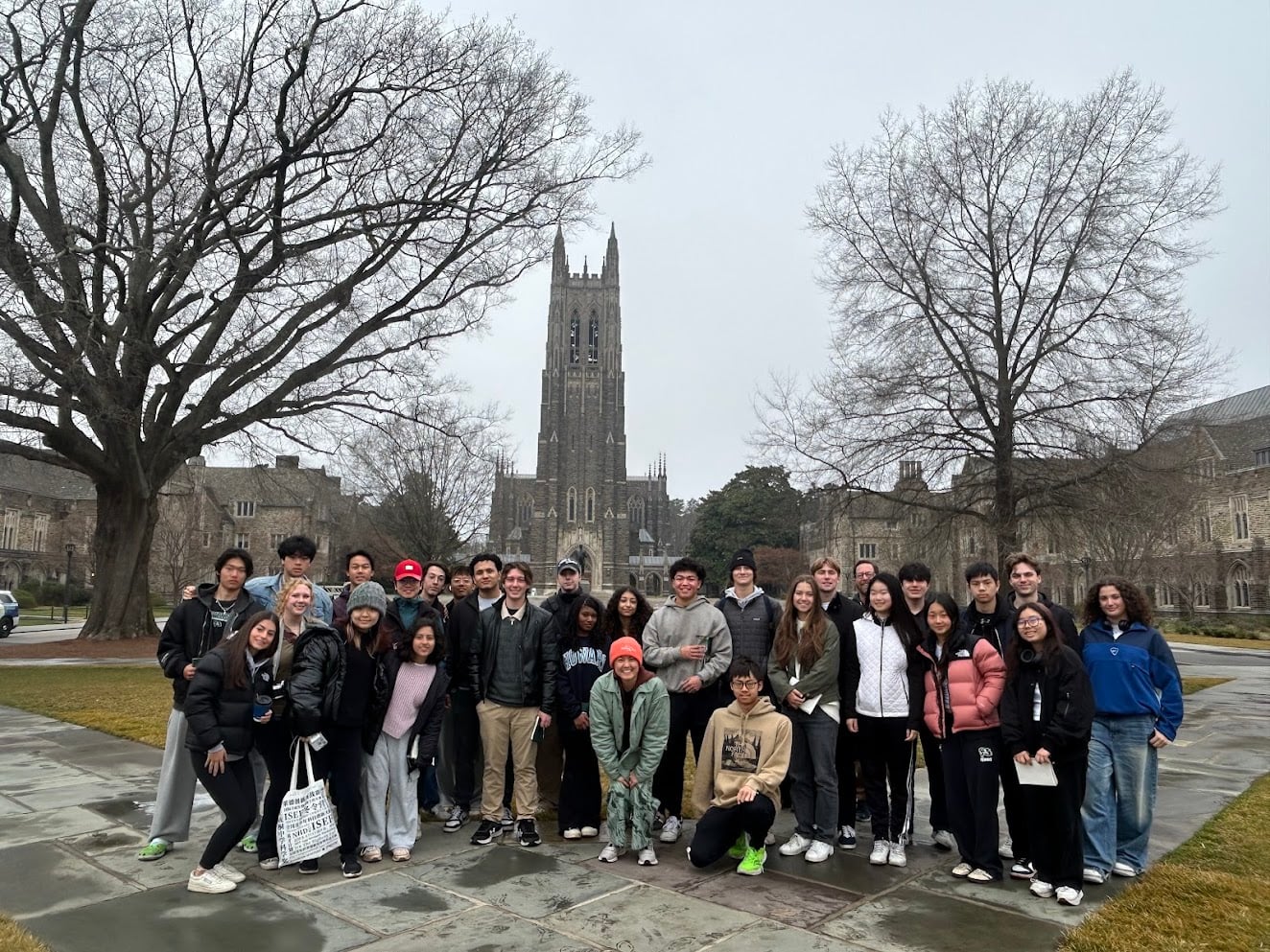
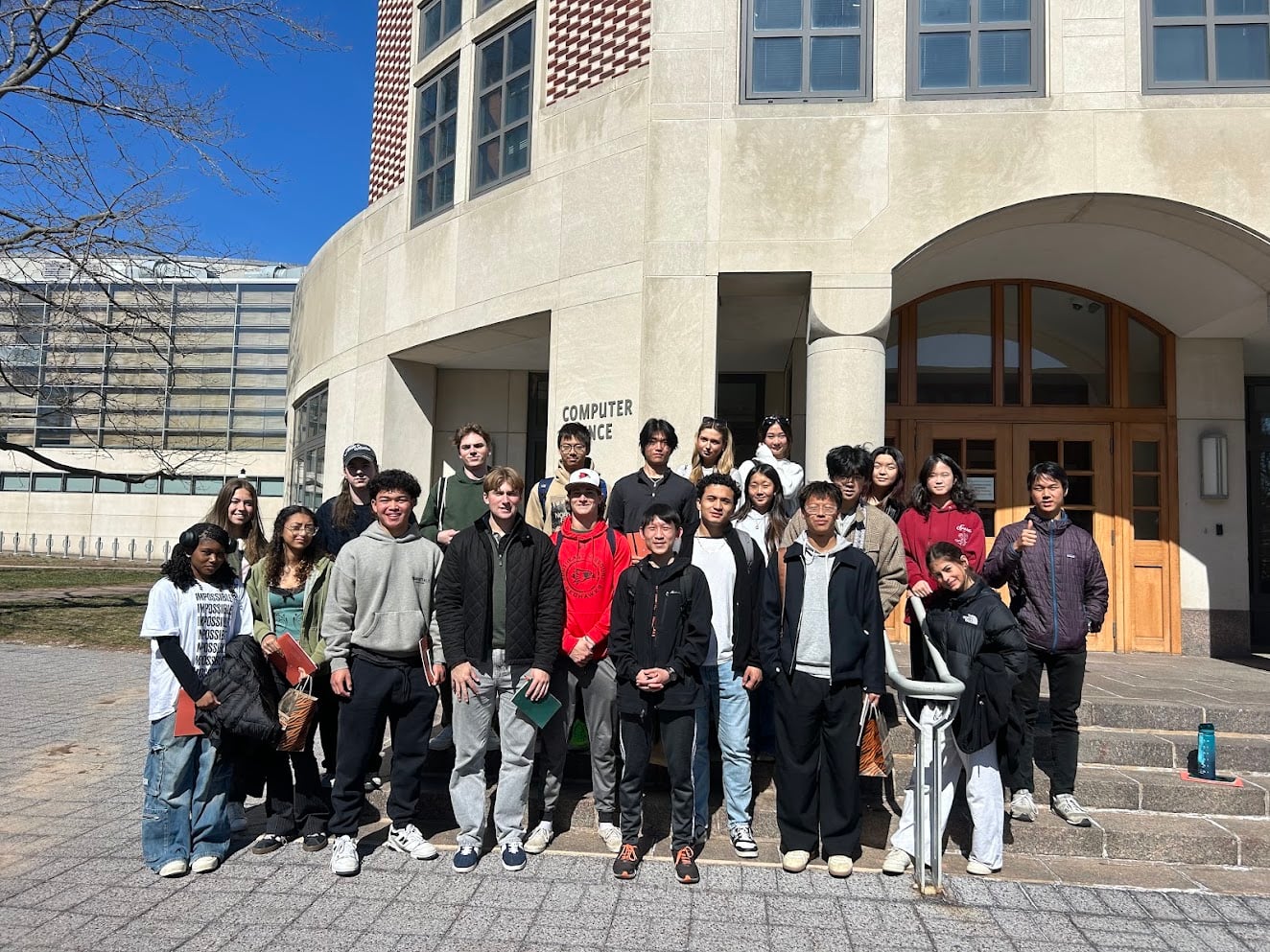
Juniors will have the option to participate in either or both of the College Center sponsored tours to visit colleges on the west and east coasts. The tours provide time with their peers to observe and experience a variety of school types to which they might consider applying the following year.
In October, juniors will retake the PSAT (results available in November). This PSAT result will be used for National Merit Scholarship consideration. Juniors should also take advantage of practice SAT and ACT exams are offered in the fall and spring, using these results to plan an exam preparation and testing schedule for their unique skills and college plans. Not all students need to take all exams as most colleges/universities are test optional (or even test blind); however, we recommend each student attempt at least one formal SAT or ACT to have on record in case a school of interest later requires a standardized test. Stevenson will offer the SAT to all juniors on campus in March.
Families are encouraged to attend the fall college informational evening to begin the formal college search process. In October, juniors are invited to select preferences for a college counselor to be assigned in November. They can then begin attending the college counseling workshops in February to learn more about the college application process. Each student also begins individual and family meetings with their counselor, completes self-assessments and receives the college handbook, which provides step-by-step guidelines for the process.
By the end of the school year, juniors will have developed a resume, brainstormed a college essay, invited junior year teachers to write recommendation letters on their behalf, and formed an initial college list (with suggestions added by the counselor). Summer programs, volunteer opportunities or jobs are encouraged. A series of five workshops are offered in July to help students begin to complete their Common Application and craft the college essay in greater depth.
By senior year, Stevenson students have completed most of their college research, visited many campuses, and have a college application list. Each student is taking the most rigorous course selection and many can potentially be seen as leaders within the school, very often as head or captain of chosen activities.
During the beginning weeks of school, students meet again with their college counselor to finalize their college list and strategize their application and any remaining testing plans. The SAT is offered to seniors on campus in October.
Students should complete the Common Application and begin to finalize supplemental forms, additional essays and teacher recommendation letter list, and plot out important college deadlines in a planner or calendar. Families are invited to attend the college counseling informational evening in the fall to review final details. Seniors should attend as many college information sessions as interested throughout the fall – on average more than 80 colleges visit campus in person or virtually each year.
The College Center assists each student in assessing their strengths and interests, offers guidance for college and financial aid applications, helps each student to present themselves most effectively, and provides family support. For every application, the counselor will send supporting documents, including written recommendations, secondary school form, school profile and official academic transcript, usually electronically via SCOIR.
Our College Counseling Team
Martha Allen — Co-Director of College Counseling
Jon Burke — Co-Director of College Counseling
Katie Bell — Associate Director of College Counseling
Dr. Rebecca deLorenzini — College Counselor
Brooke Higgins ’92 — College Counselor
David Schmittgens — College Counselor

Begin YourNew Adventureat Stevenson
Complete our request form and we'll guide you through each step of the Admissions process.