
Lower Division • Pre-K – Grade 4
Our Philosophy & Approach
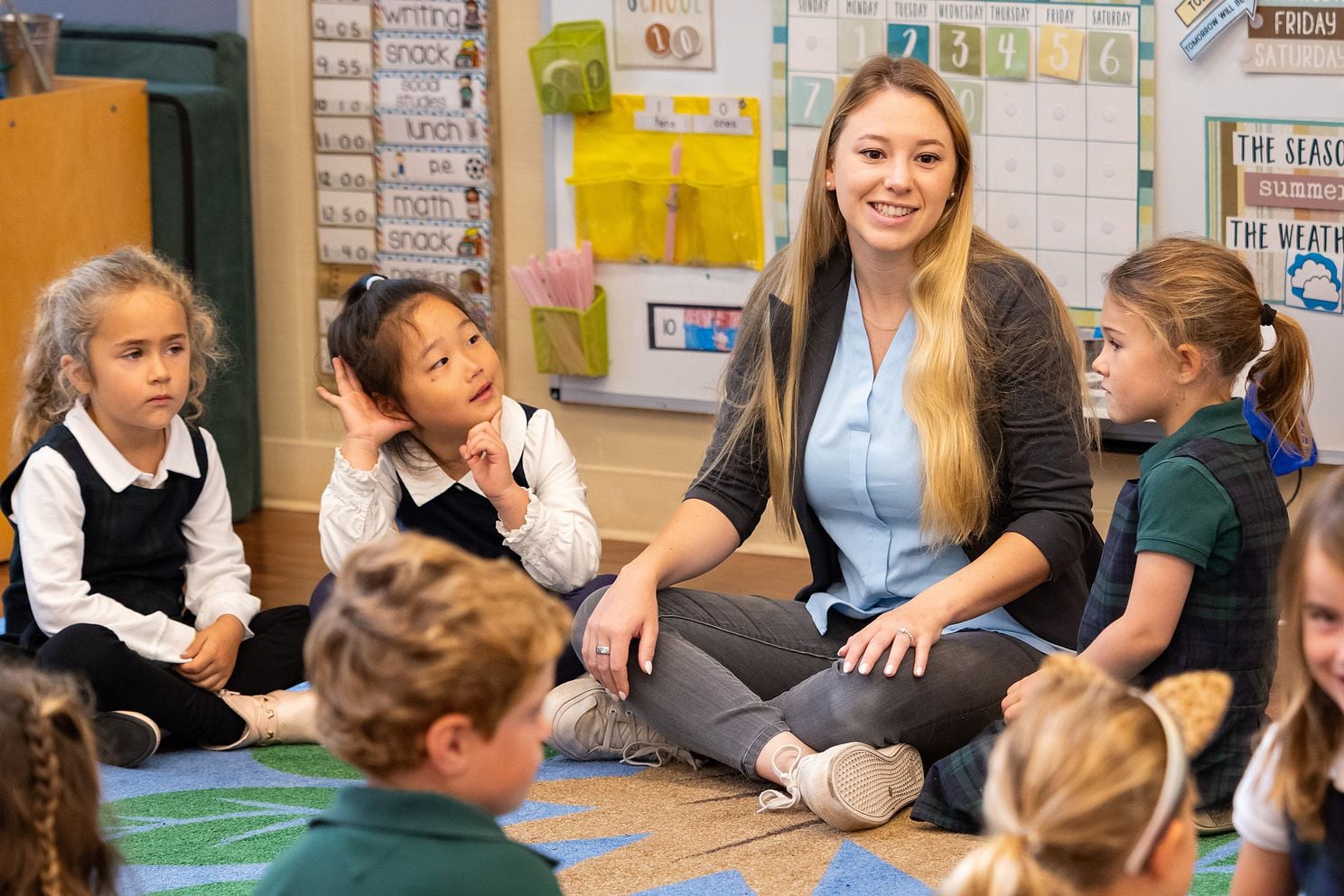
Our Approach
Learning Support Services
Our Lower Division is supported by two dedicated Learning Specialists who partner with classroom teachers and families to provide individualized academic support.
Assessment & Progress Monitoring
Assessment is an integral part of our approach. We believe in using multiple measures to understand each child’s growth, set goals and guide instruction.
Learning by Doing
Through hands-on investigation and collaboration, students learn by doing, connect their work to the real world, and build the metacognitive skills to understand how they think, not just what to think.

Our Approach in Practice
Our division is intentionally small by design, allowing us to nurture each child’s learning journey with focus and care. Most of our classrooms have two teachers, which ensures that students receive targeted, differentiated instruction across all core subject areas. This structure allows us to know each child deeply, provide personalized support, and foster curiosity, hands-on learning and confidence in every learner.
The Lower Division applies a Responsive Classroom Approach. We believe that academic success is inseparable from social-emotional growth. Through consistent routines, morning meetings, and a focus on respectful communication, students from kindergarten through fourth grade learn how to collaborate, problem-solve, and build a caring school community. These tenets guide everything from classroom culture to recess play and help children feel safe, known, and empowered to learn. All of our faculty and staff are trained in implementing the foundations of this approach into all aspects of school for our students.
The Lower Division at Stevenson ensures that students grow as confident, capable learners who are curious about the world around them. By combining inquiry-based academics with Responsive Classroom practices, we prepare children not only for the next grade level, but also for lives of meaning, curiosity, and contribution.
We are committed to meeting students where they are and helping them reach their fullest potential. Our division is supported by two dedicated Learning Specialists who partner with classroom teachers and families to provide individualized academic support. At times, this means serving as an additional teacher in the classroom, or working one-on-one with students to provide remediation in areas of challenge or acceleration for students ready for deeper exploration.
Our Learning Specialists use a variety of research-based strategies and curriculum resources to support student learning. We utilize Bridges Intervention, among other tools, to provide targeted skill development and reinforce foundational concepts
Assessment is an integral part of our approach. We believe in using multiple measures to understand each child’s growth, set goals, and guide instruction. This includes:
- Small group instruction that allows for targeted teaching and meaningful feedback
- Guided reading sessions that strengthen literacy development and foster a love of reading
- Conferring and one-on-one meetings with teachers to personalize learning and set individual goals
- Frequent teacher touch points to help students clearly understand their progress and next steps
We also use benchmark assessments throughout the year to provide a comprehensive view of student learning and growth. These include:
- NWEA MAP Growth assessments – (Grade 3 & 4)
- Developmental Reading Assessments (DRAs)
- Acadience Reading
- IMSE Phonics assessments
- Equity and Phonemic Awareness curriculum-based assessments
Together, these practices ensure that students not only make progress, but also develop the skills to understand their own goals, monitor their growth, and take ownership of their learning.
Academic growth is inseparable from social and emotional growth. We utilize the Responsive Classroom approach, a research-based model that integrates social-emotional learning with academic instruction. Responsive Classroom emphasizes building strong relationships, creating joyful learning communities, and fostering student independence.
In practice, this means we explicitly teach and model core values such as kindness, respect, community, safety, and belonging. Through daily routines, classroom conversations, and reflective practices, students learn how to care for themselves, one another, and their community.
To help students develop self-awareness and self-regulation, we incorporate tools such as:
- Zones of Regulation, which teaches students how to identify and manage their emotions
- Voice and choice opportunities, encouraging students to use their voices to advocate for themselves, express their needs, and contribute positively to their community
These approaches ensure that students grow not only as learners, but also as empathetic, confident, and resilient individuals who are equipped with the skills to navigate both school and life.
Technology in the Lower Division supports clear learning goals and complements teacher-led instruction, hands-on exploration, and collaboration. Student screen and device use begins in Grade 2, when students are introduced to keyboarding, simple research tools for nonfiction units and science projects, and creating presentations in Google Slides.
In Grade 3, students continue developing their typing, research, and presentation skills. By Grade 4, they type the final drafts of their writing and begin using Google Classroom to support classroom learning and organization.
Across the grades, technology is introduced thoughtfully as a tool for research, creation and communication. It enhances learning without replacing direct instruction or the relationships at the heart of our classrooms.
“Our students not only learn academic subjects but also the art of learning itself—how to express ideas, share thoughts and balance being uniquely themselves while becoming part of a greater community.”
Mrs. Nifemi Lesi
Head of the Lower Division
Responsive Classroom
Where Learning and Community Come Together
Academic growth is inseparable from social and emotional growth. That’s why the Lower Division is a Responsive Classroom, a research-based model that integrates social-emotional learning with academic instruction. A Responsive Classroom emphasizes building strong relationships, creating joyful learning communities and fostering student independence. Through daily routines, classroom conversations and reflective practices, students learn how to care for themselves, one another and their community.

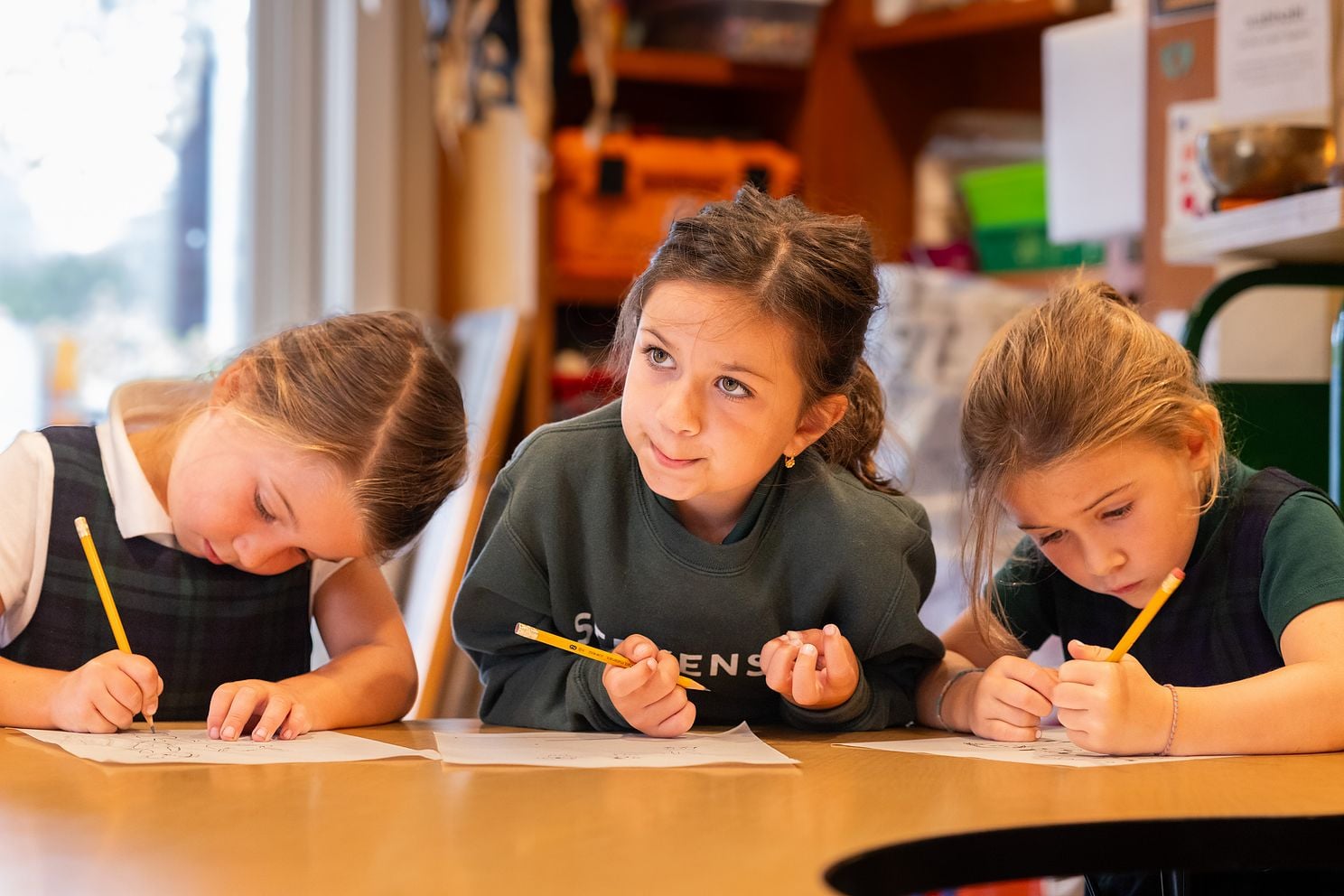
Small by Design
The Lower Division is intentionally small to allow us to support each child’s learning journey with focus and care. Most of our classrooms have two teachers, so that students receive targeted, differentiated instruction across all core subject areas. This structure allows us to know each child deeply, provide personalized support and foster curiosity, hands-on learning and confidence in every learner.
News and Stories
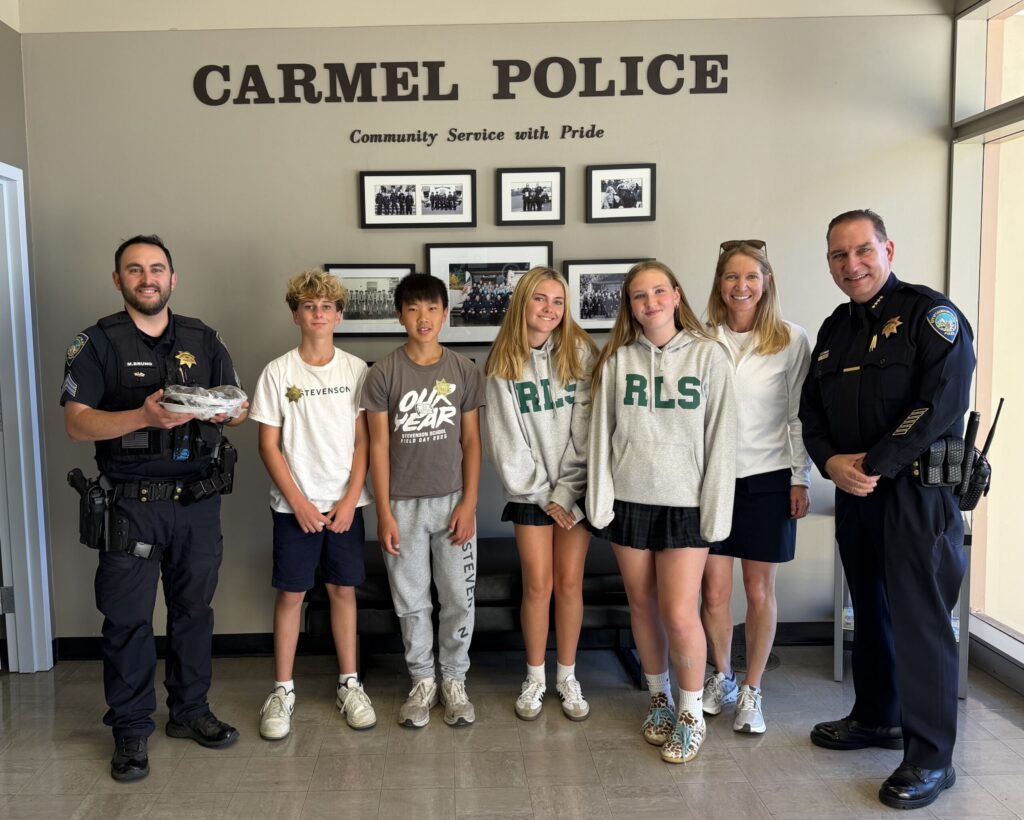 Happening Now
Growing Leaders Through Service: Carmel Campus Service Learning
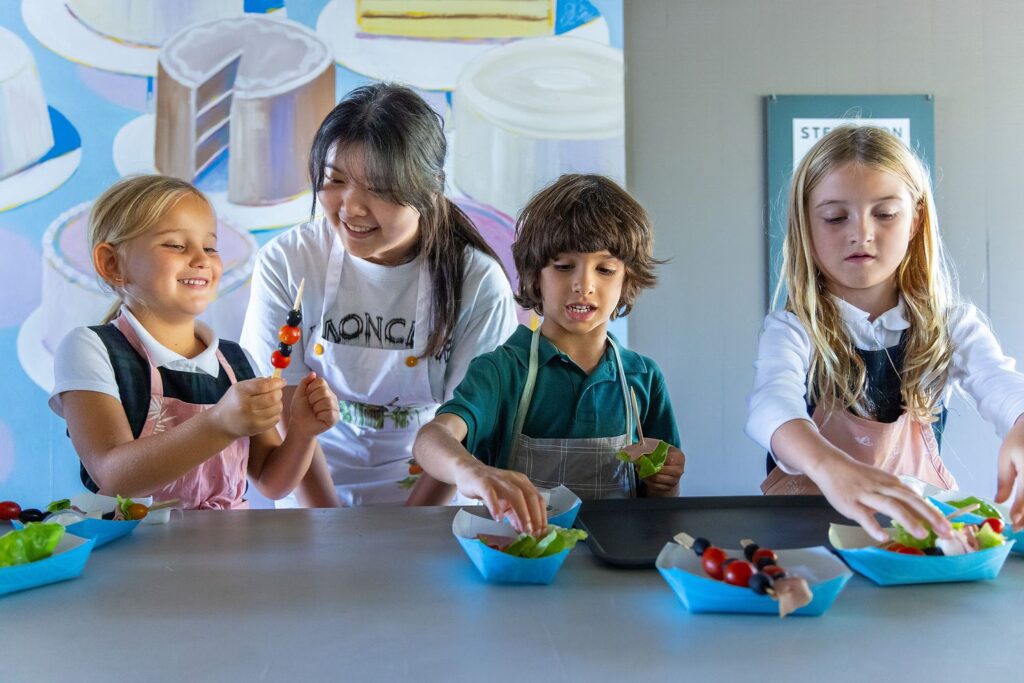 Happening Now
More to Explore: After-School at Stevenson
 Happening Now
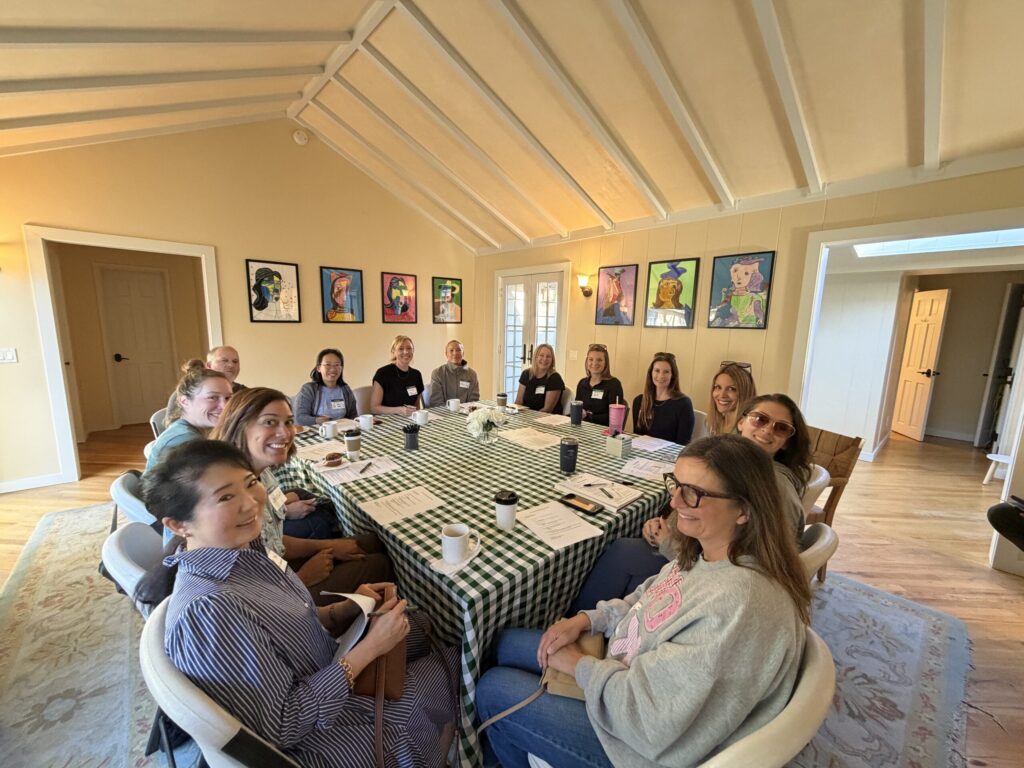
Room Parents Return to the Carmel Campus
 Happening Now
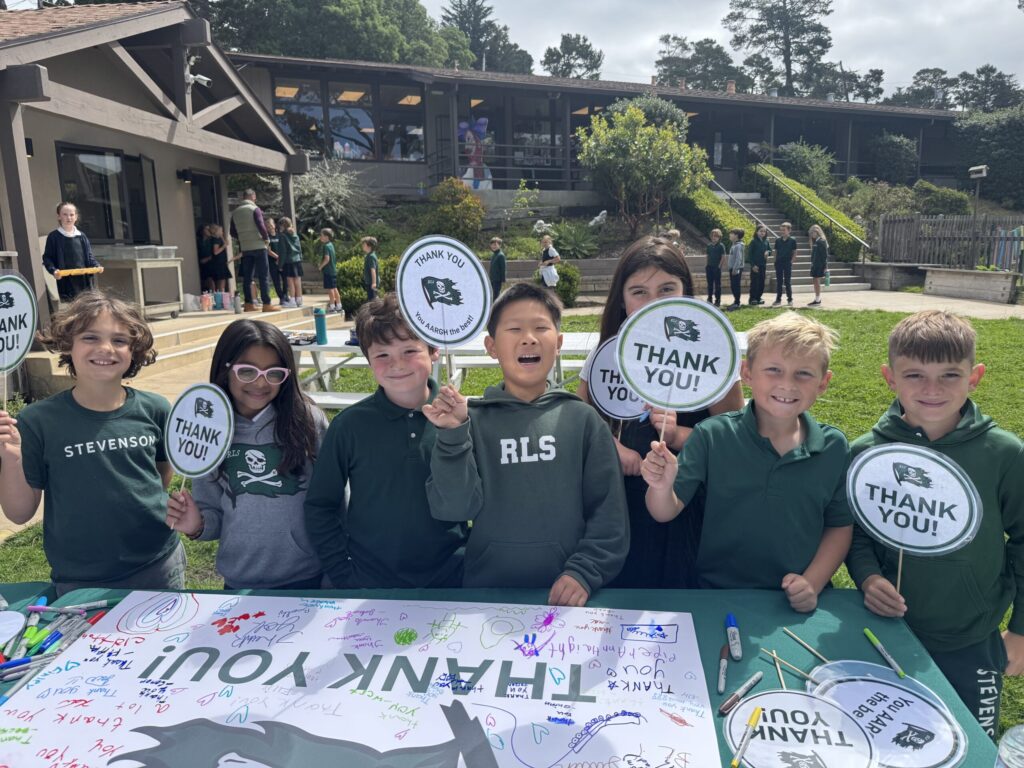
A Year of Inspired Learning on the Carmel Campus
 Happening Now
Stevenson Welcomes Award-Winning Author Matt de la Peña to Carmel Campus
 Happening Now
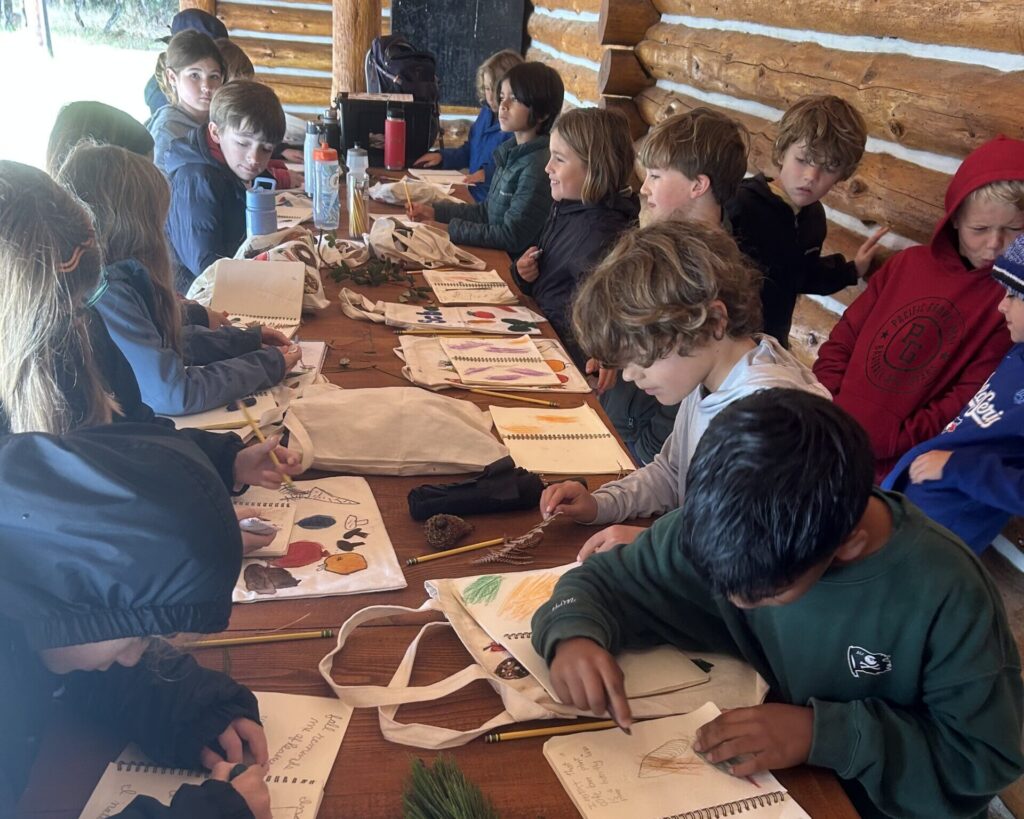
The World Is Our Classroom: Field Trips at Stevenson’s Carmel Campus
 Happening Now
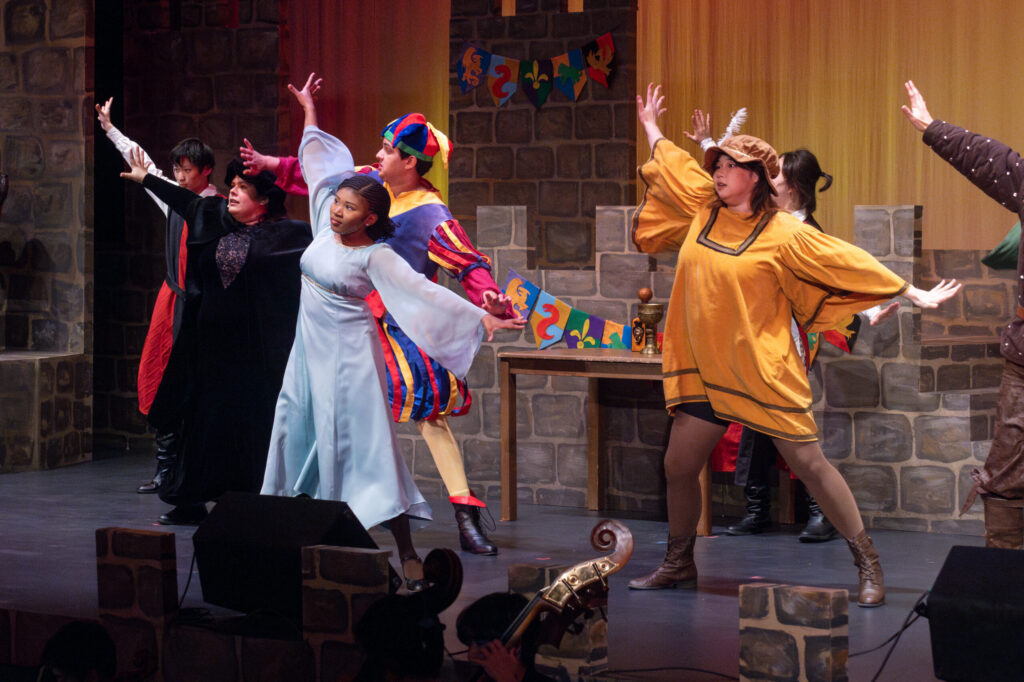
Celebrating the Arts at Stevenson: A Season of Performance, Music and Movement
 Happening Now
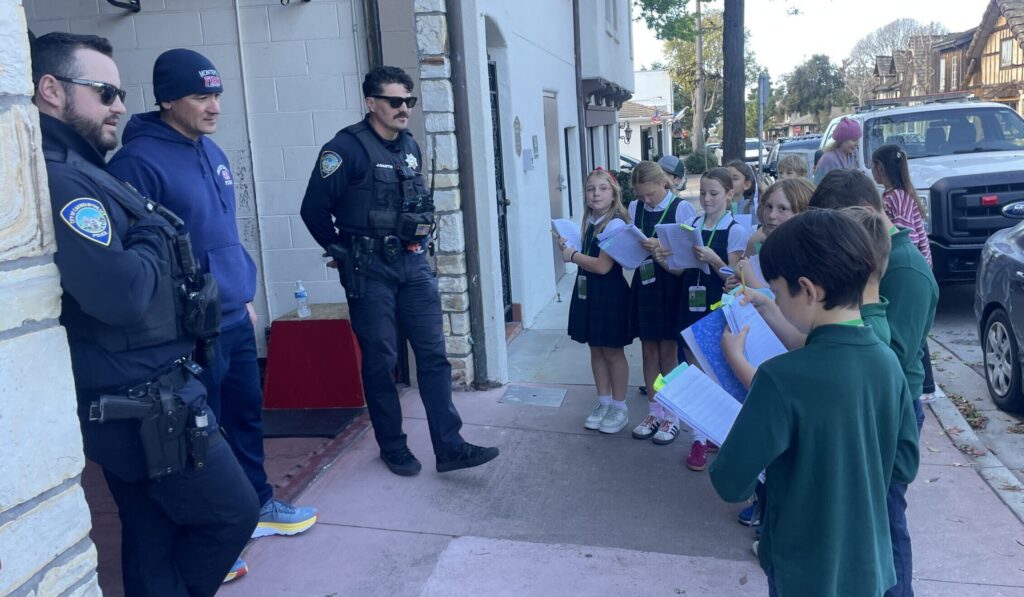
Finding Their Voice: Grade 4 Students Take on Journalism
 Happening Now
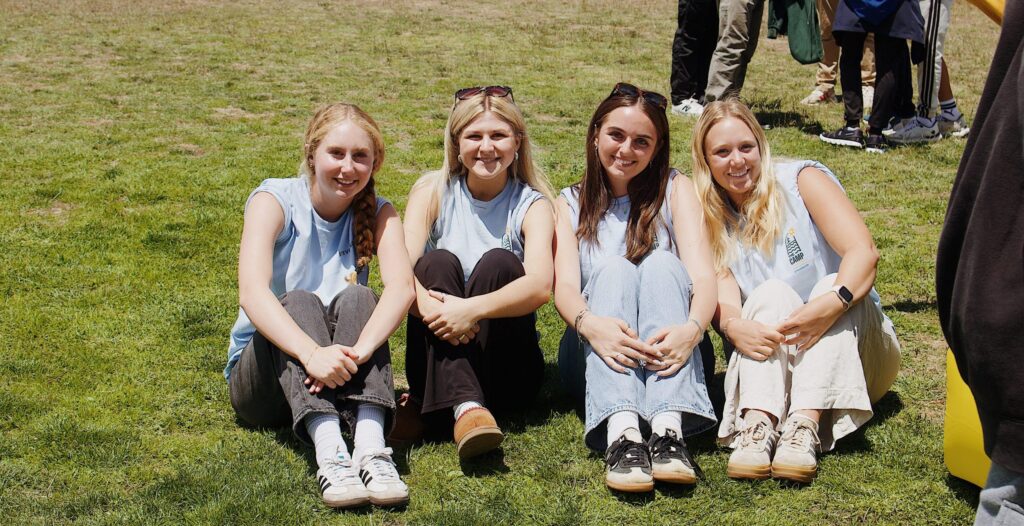
2026 Summer Camps: Discover What’s New!
 Happening Now
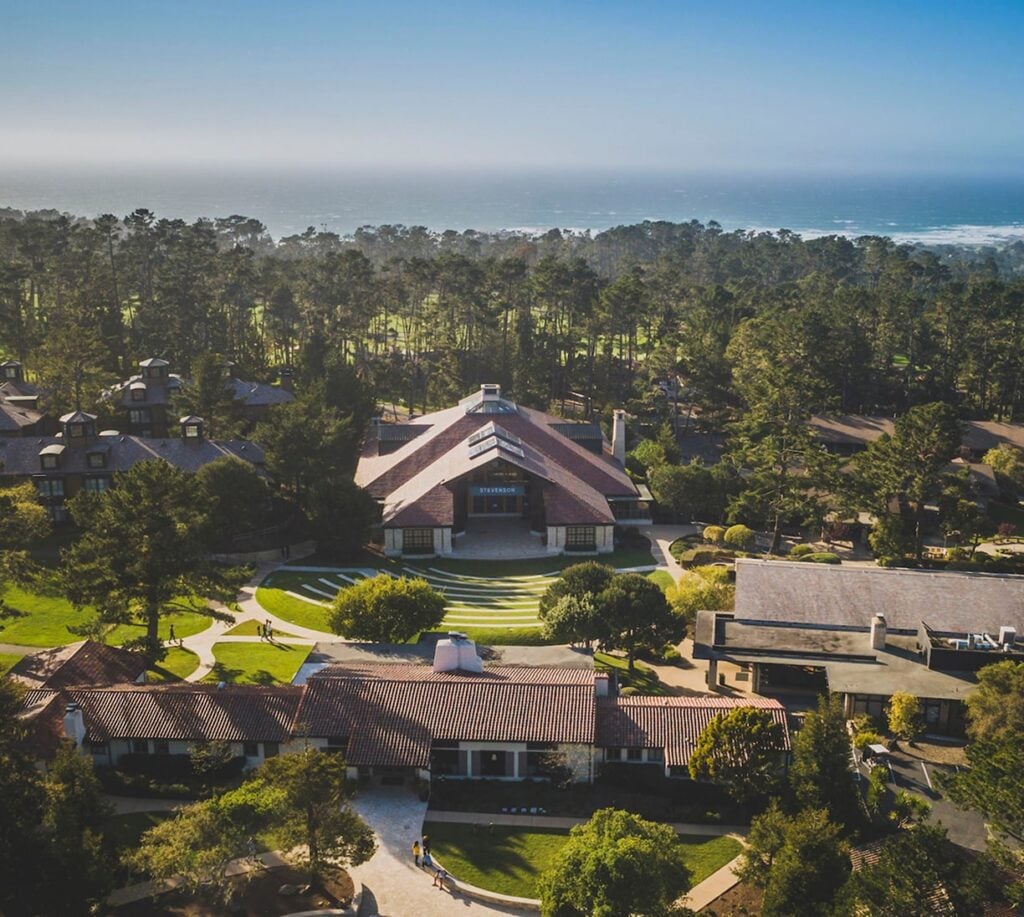
A Look Back and Ahead—in the Lower Division
 Around Campus
Celebrating an Exceptional 2025: A Year of Achievement at Stevenson
 Happening Now