
Lower Division • Pre-K – Grade 4
Academic Growth and Discovery
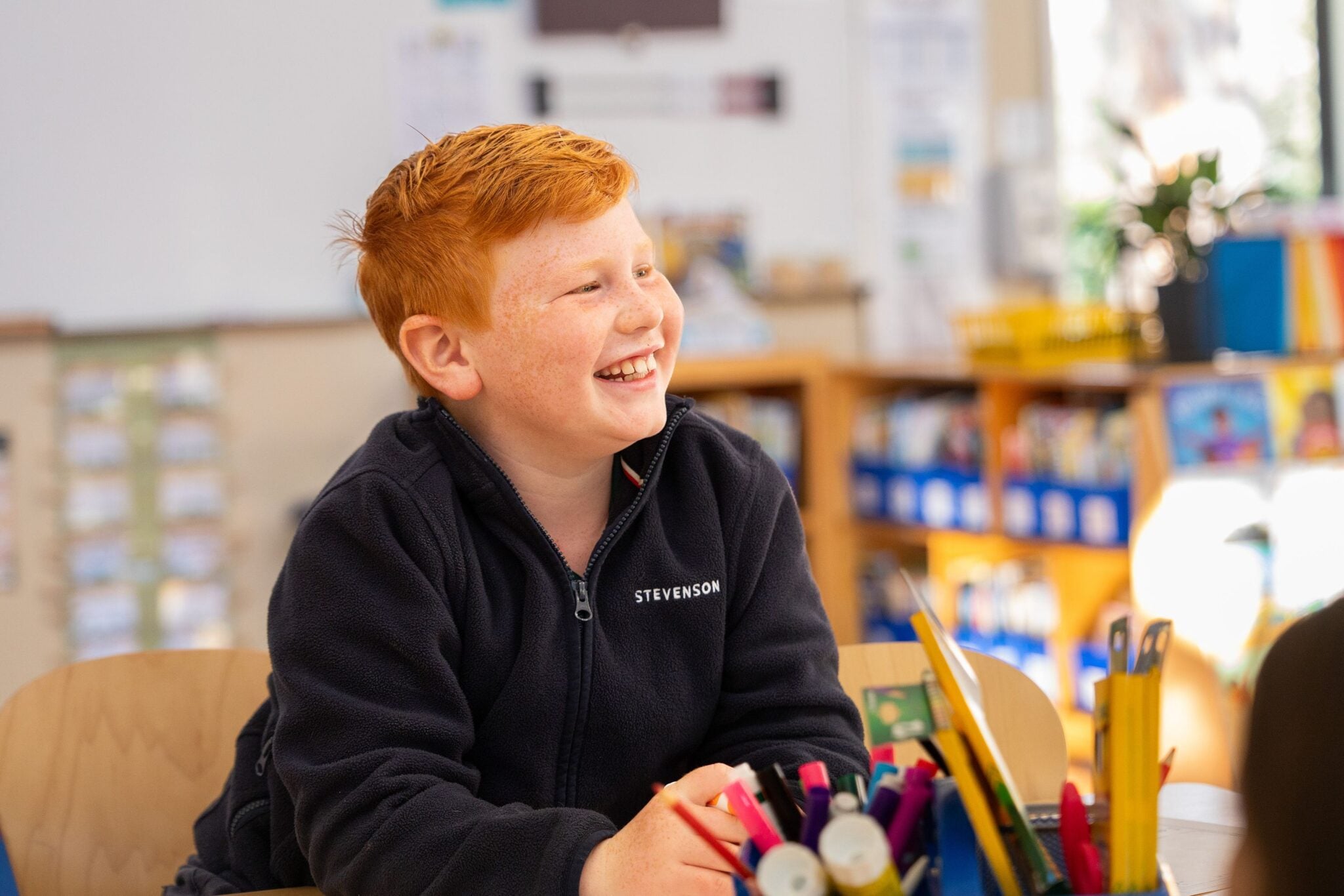
Academic excellence is reflected in both the strength of our teaching and the measurable progress of our students.
Through a thoughtfully designed curriculum, personalized instruction and an emphasis on critical thinking, students build exceptional foundations in literacy, mathematics and beyond. National assessments consistently place Stevenson students among the highest-performing learners, with strong achievement across grade levels and notable growth in reading and mathematics. These results reflect an approach that combines high academic expectations with our values of engaging with curiosity, embracing challenge with courage and cultivating confidence.
Lower Division At a Glance
A Strong Start. A Lasting Impact.
Top 10–25%
Consistent achievement in national assessments
12:1
Student to Teacher Ratio
Pre-K-12
Continuous academic experience from Lower through Upper Division.
Developing Strong, Independent Thinkers
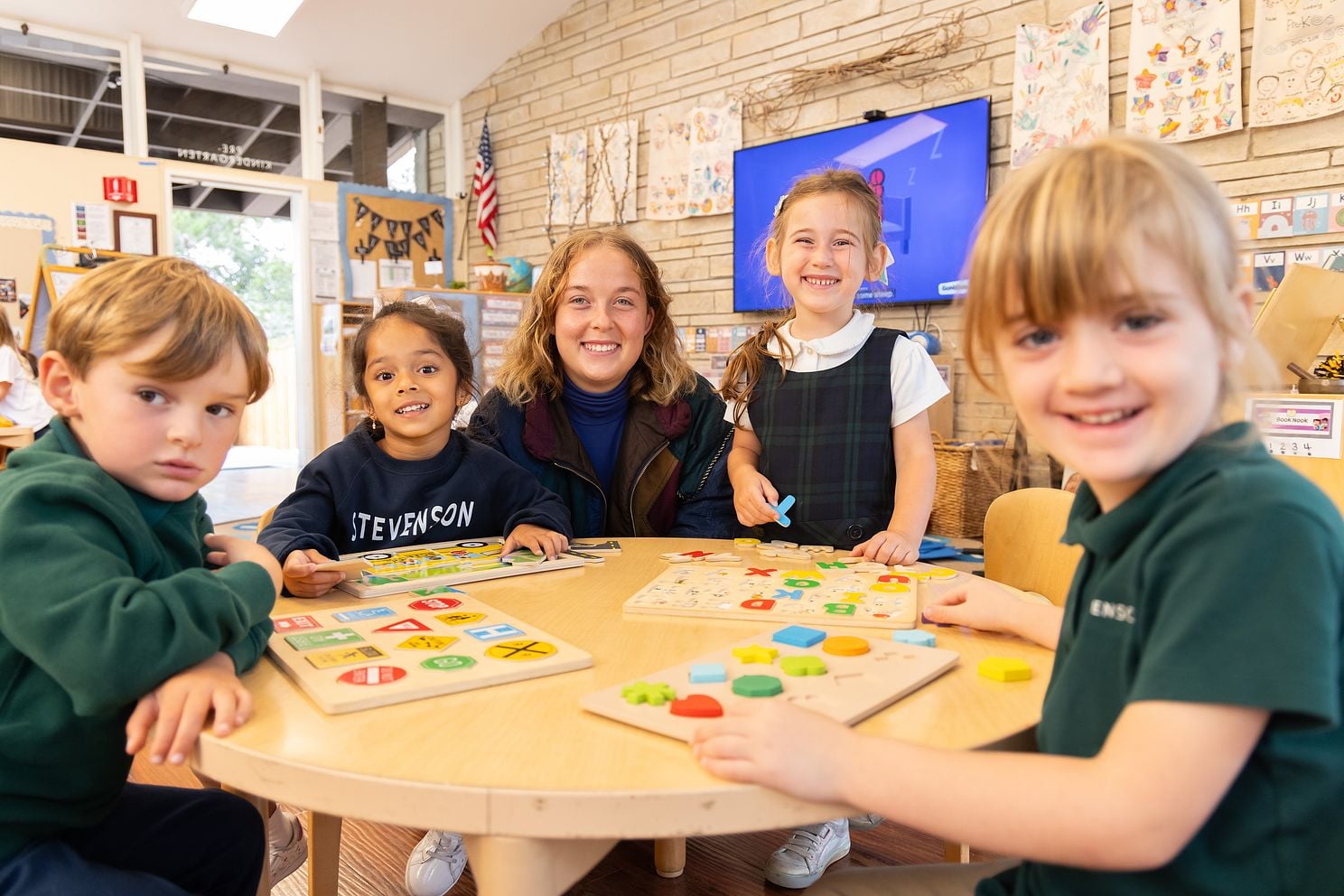
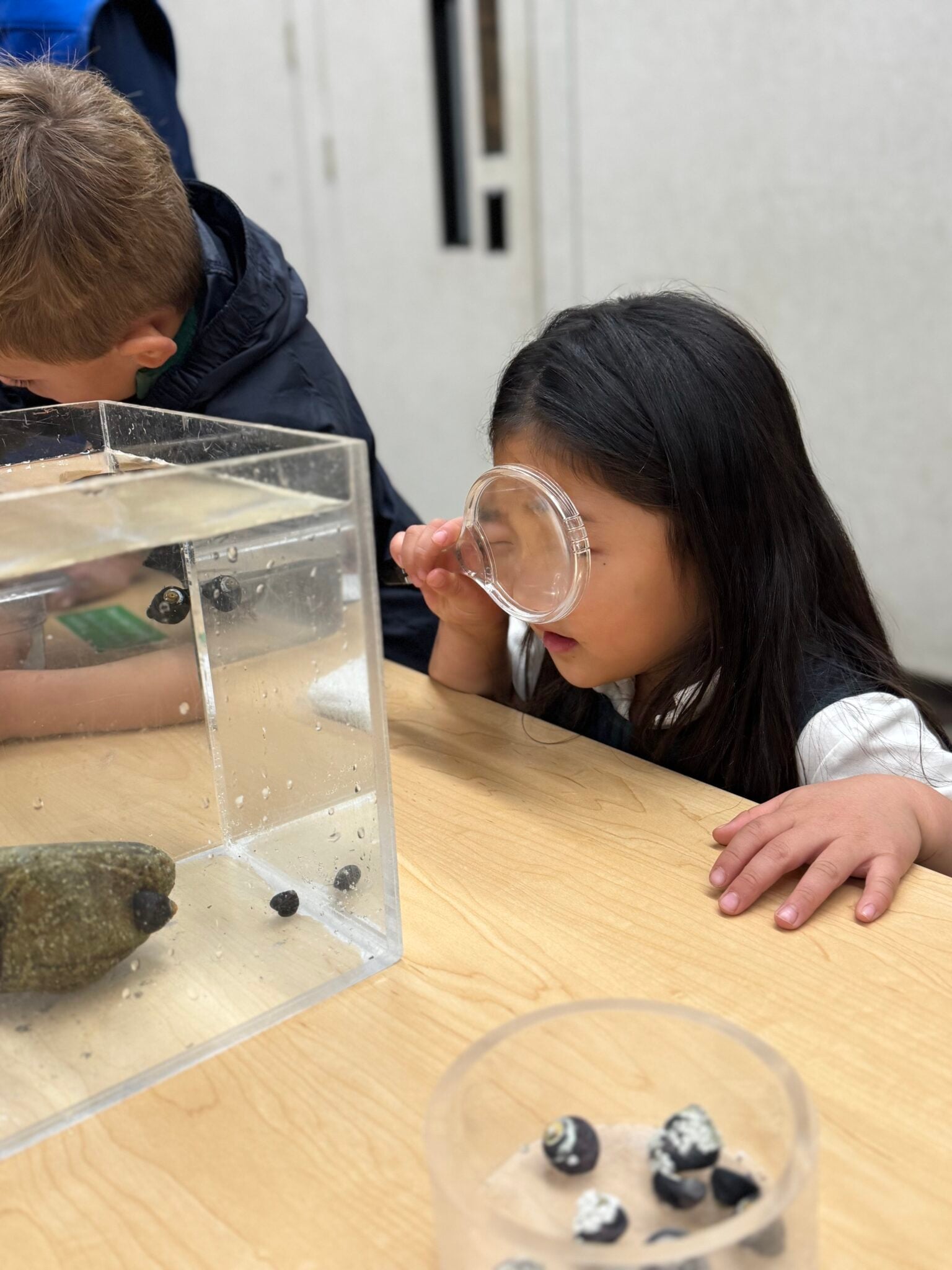
At Stevenson’s Lower Division, hands-on learning, critical thinking and problem-solving build strong academic foundations. In mathematics, students explore patterns, numerical relationships and multiple strategies to develop conceptual understanding and flexible thinking skills.


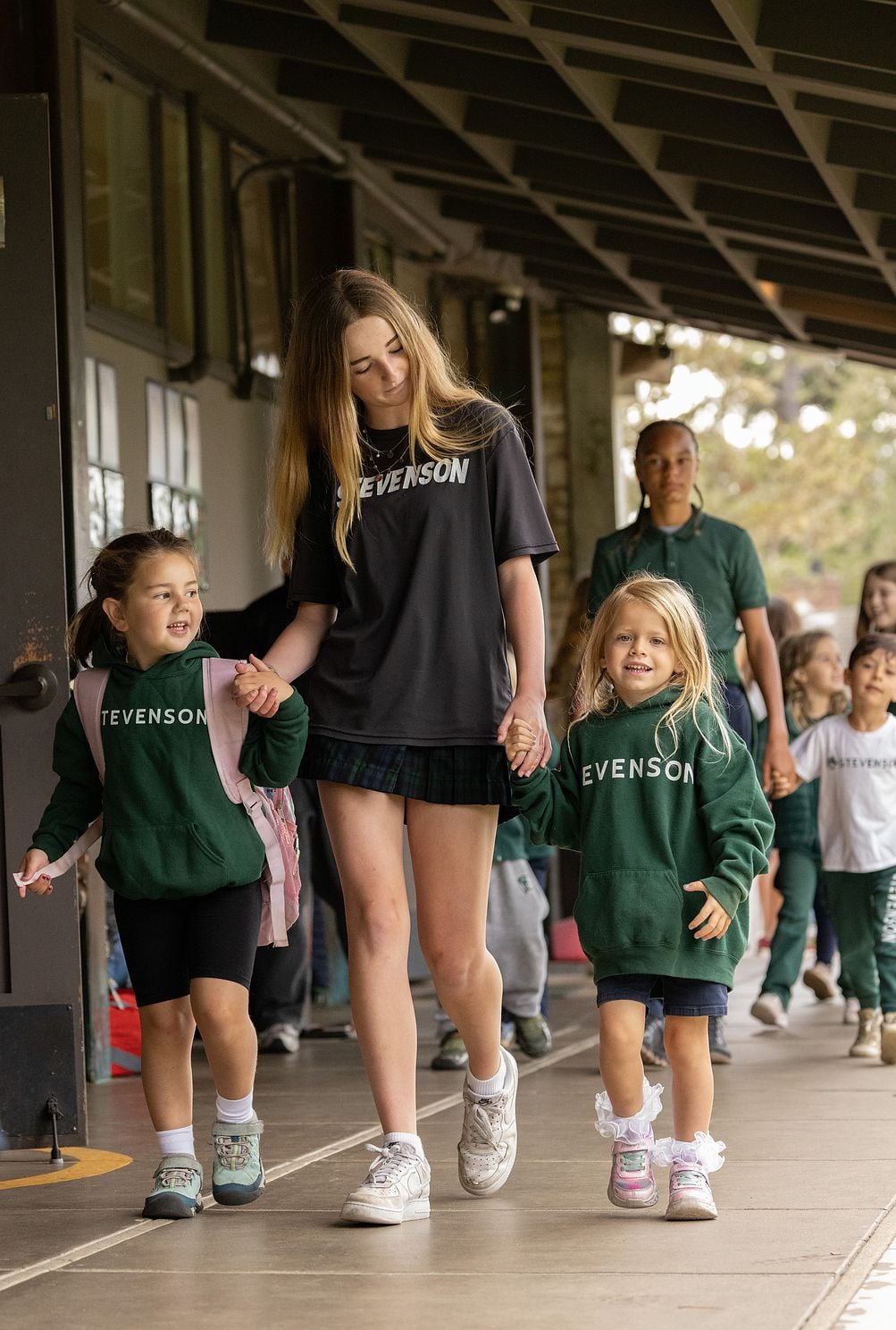

Our Curriculum
At Stevenson, our faculty and staff are honored to help shape the future of our students, inspiring a lifelong commitment to learning, and partnering with Stevenson families to instill cherished values. We aim for our children to be kind, compassionate, and to actively seek to be a force for good wherever they are.

Our Writing Curriculum
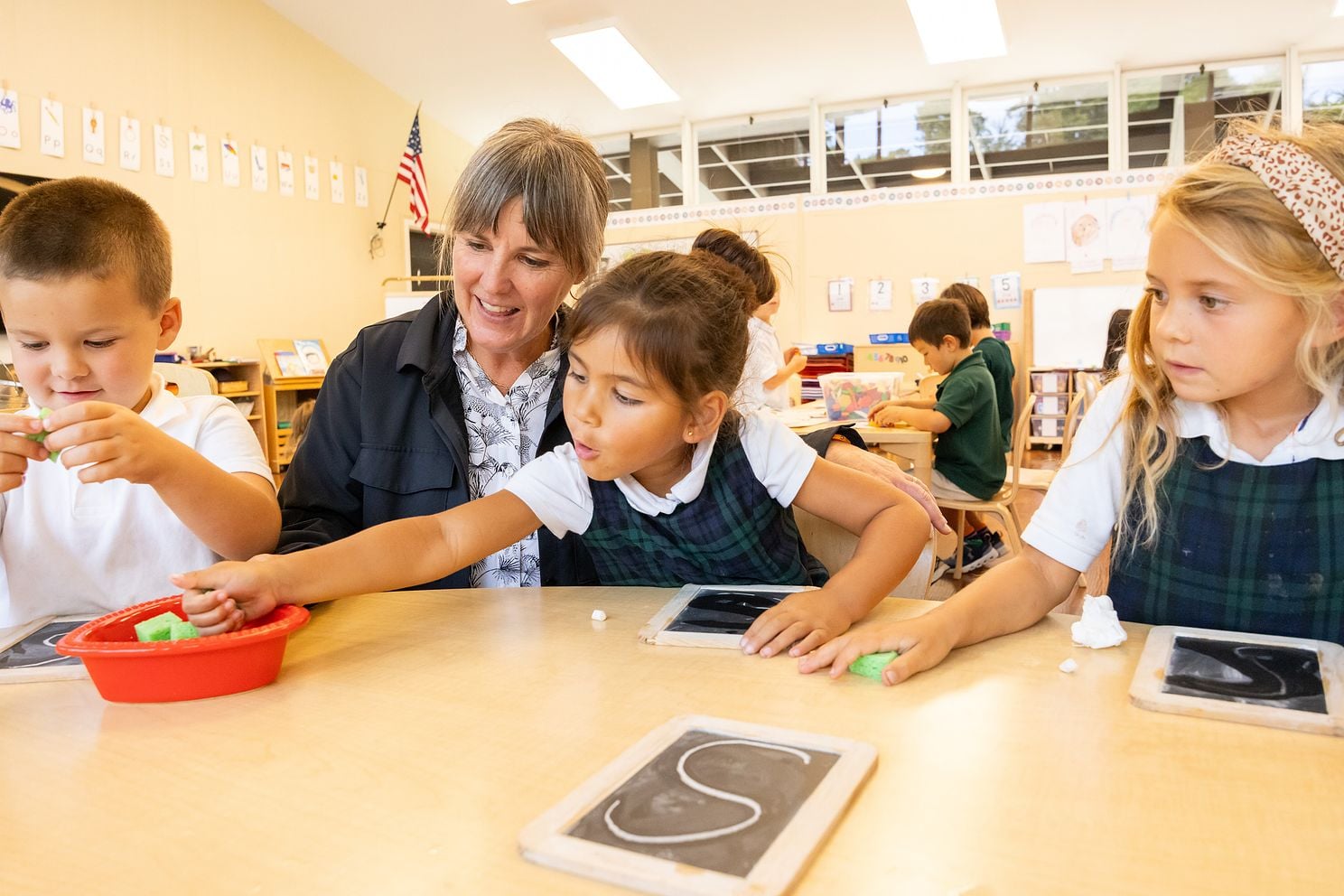
Our writing curriculum ensures that students become effective communicators in a wide variety of genres. Beginning in kindergarten, students are introduced to writing as a daily practice and grow into increasingly sophisticated forms of expression. Units include:
- Narrative Writing – telling personal stories and crafting fictional narratives.
- Informational Writing – explaining topics clearly and logically.
- Opinion & Persuasive Writing – developing arguments and supporting ideas with evidence.
- Poetry – exploring sound, rhythm, imagery, and voice.
- Literary Essays – analyzing texts and supporting claims with textual evidence.
- Writer’s Life – cultivating habits, voice, and confidence as lifelong writers.
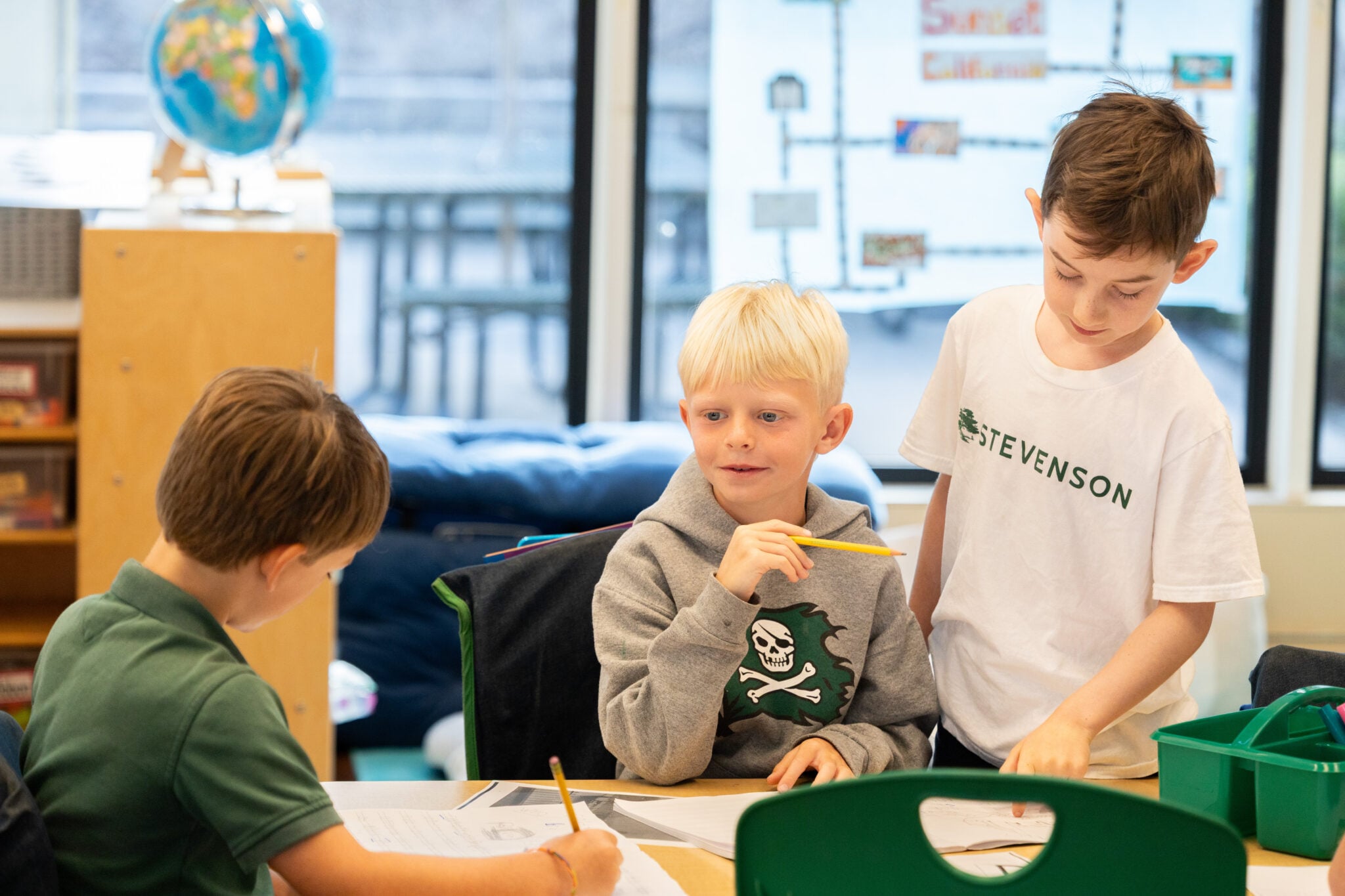
Foundations of Expression: Writing Workshop
As we develop young writers in our Lower Division, we’re establishing a foundation for their success, while equipping them with a skill that will serve them throughout their lives. We encourage them to write about their interests, to view writing as a form of self-discovery and expression, and to recognize the power of their words to inform, persuade and inspire others.
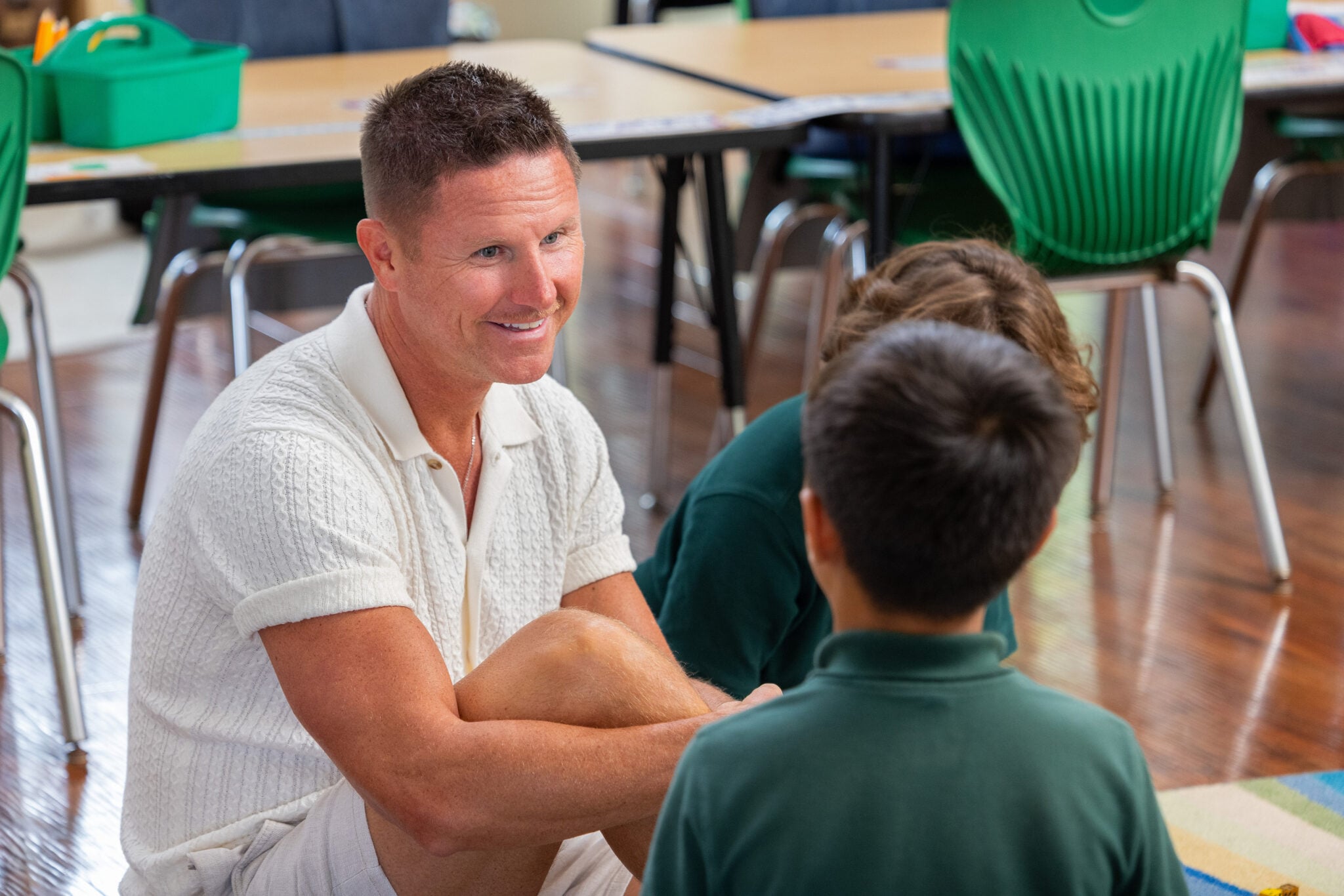
Educators with Depth, Training and Experience
Our Lower Division teachers are both passionate educators and highly trained professionals who continually expand their practice through meaningful professional development. At Stevenson, we believe that when teachers learn deeply, students thrive.
Faculty Professional Learning
Over the past several years, our faculty have engaged in professional learning across multiple disciplines, including:
Teachers are trained in evidence-based phonics and phonemic awareness methods to ensure students build strong foundations in decoding, fluency, and comprehension.
Faculty are trained in IMSE’s Morphology program to teach word structure, including prefixes, suffixes, and roots, helping students expand vocabulary and strengthen comprehension.
Kindergarten and Grade 1 teachers are trained in Being a Reader, blending literacy instruction with community-building practices.
Faculty are trained to lead inquiry-based math instruction that emphasizes problem-solving, investigations, and problem-string routines.
All Lower Division teachers are retrained in Responsive Classroom practices, grounding instruction in social-emotional learning alongside academic growth.
Teachers are trained in inquiry-based social studies instruction, where each unit culminates in action projects that connect learning to the real world.
Teachers are trained to help students build self-regulation, resilience, and social-emotional awareness, using restorative approaches to discipline.
Training in play-based therapeutic techniques helps students to navigate emotions, self-expression, and transitions with confidence.
Select faculty have participated in professional development grounded in Harvard’s Project Zero frameworks and Harvard Graduate School of Education training, focusing on visible thinking routines, inquiry, and equity-driven practices that deepen student learning.
In keeping with this theoretical framework, our teachers practice and receive regular continuing training in:
Daily Schedule
Our schedule is thoughtfully designed to support academic engagement, creativity and connection. Five hour-long class blocks give students time to explore ideas, ask thoughtful questions and build foundational skills, while regular breaks provide opportunities for play, movement and meaningful interactions with classmates. This intentional rhythm encourages curiosity, strengthens community and helps students develop the confidence and independence to take on new challenges.
| Monday, Tuesday, Thursday, Friday | Activity | Wednesday Late Start |
|---|---|---|
| 8-8:15 a.m. (15 min) | Morning Meeting | 8:45-9 a.m. (15 min) |
| 8:15-9:05 a.m. (50 min) | Period 1 | 9-9:45 a.m. (45 min) |
| 9:05-9:55 a.m. (50 min) | Period 2 | 9:45-10:30 a.m. (45 min) |
| 9:55-10:10 a.m. (15 min) | Snack/Recess | 10:30-10:45 a.m. (15 min) |
| 10:10-11 a.m. (50 min) | Period 3 | 10:45-11:30 a.m. (45 min) |
| 11 a.m.-noon (60 min) | Lunch | 11:30 a.m.-12:30 p.m. (60 min) |
| Noon-12:50 p.m. (50 min) | Period 4 | 12:30-1:15 p.m. (45 min) |
| 12:50-1:40 p.m. (50 min) | Period 5 | 1:15-2 p.m. (45 min) |
| 1:40-1:55 p.m. (15 min) | Snack/Recess | 2-2:10 p.m. (10 min) |
| 1:55-2:45 p.m. (60 min) | Period 6 | 2:10-2:55 p.m. (50 min) |
| 2:45-3 p.m. (15 min) | Closing Circle | 2:55-3 p.m. (5 min) |
| 3-5:30 p.m. (90 min) | After-School Program | 3-4:15 p.m. (75 min) |
Carmel Campus News
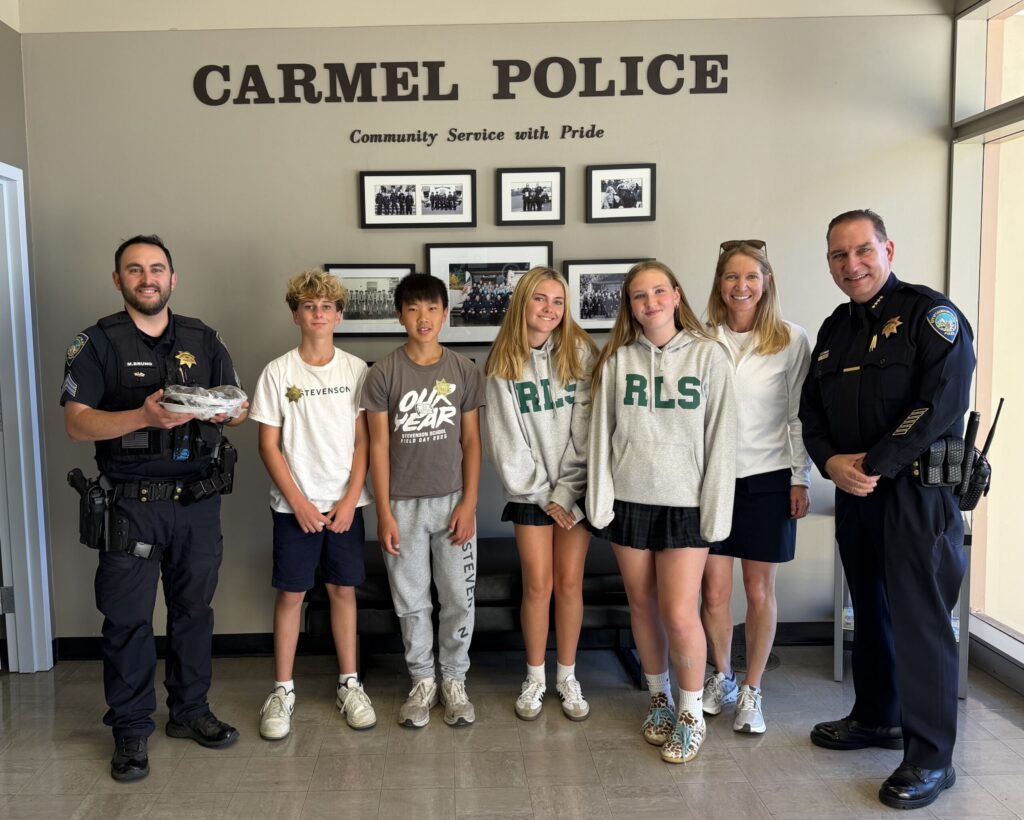 Happening Now
Growing Leaders Through Service: Carmel Campus Service Learning
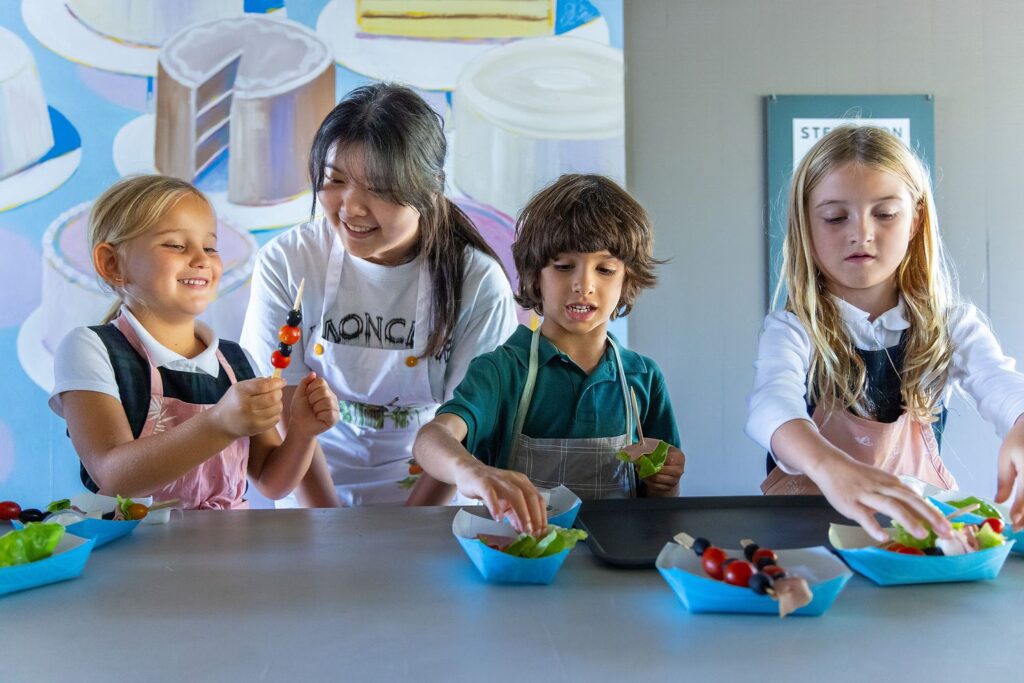 Happening Now
More to Explore: After-School at Stevenson
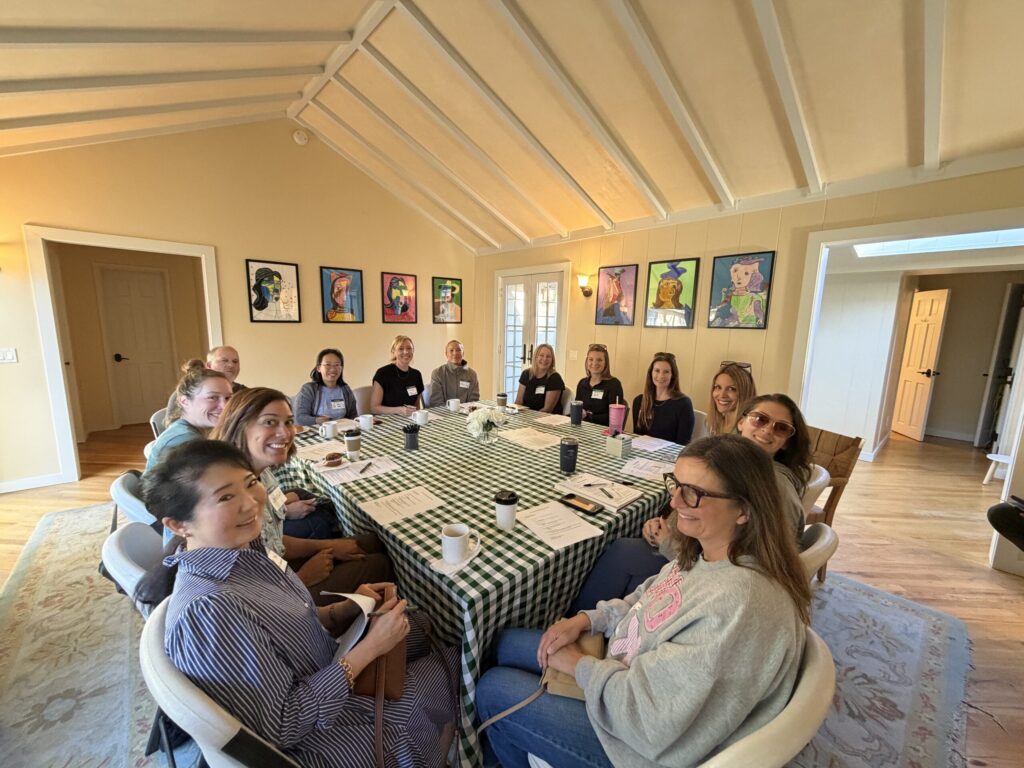 Happening Now
Room Parents Return to the Carmel Campus
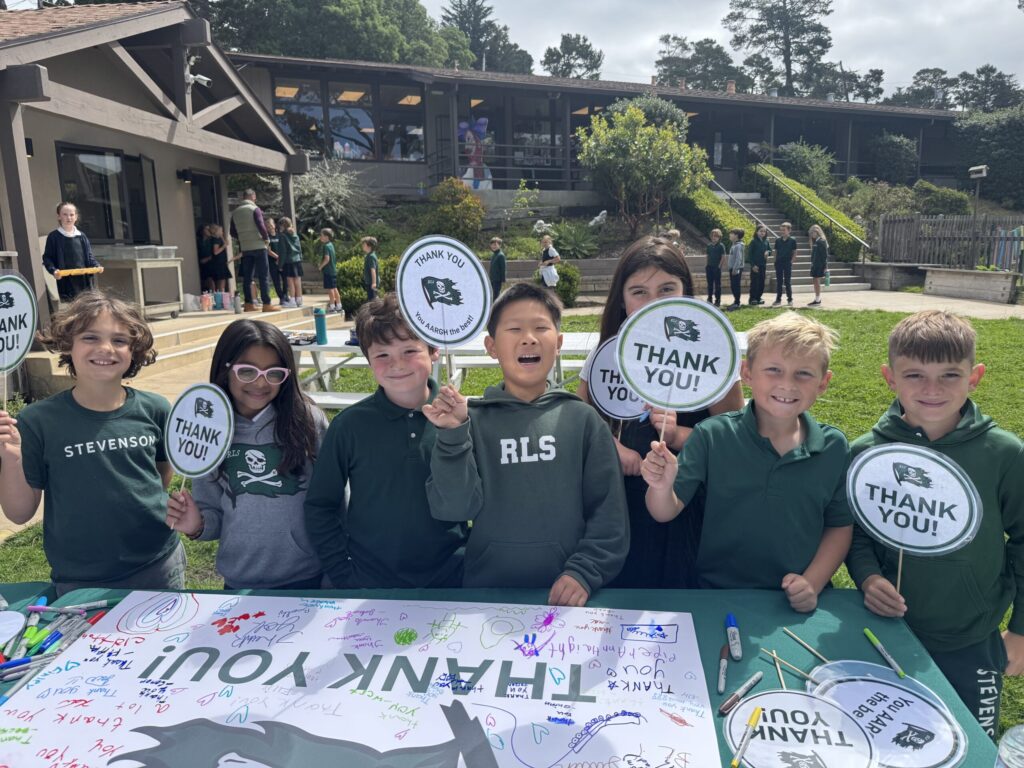 Happening Now
A Year of Inspired Learning on the Carmel Campus
 Happening Now
Stevenson Welcomes Award-Winning Author Matt de la Peña to Carmel Campus
 Happening Now
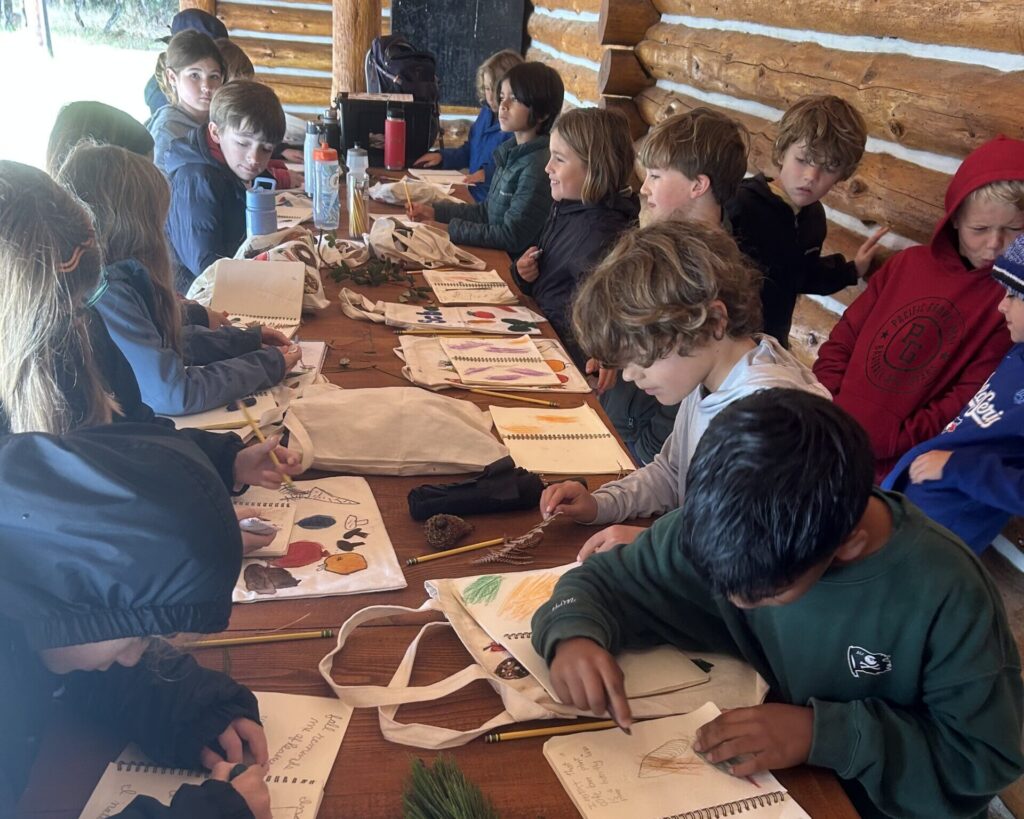
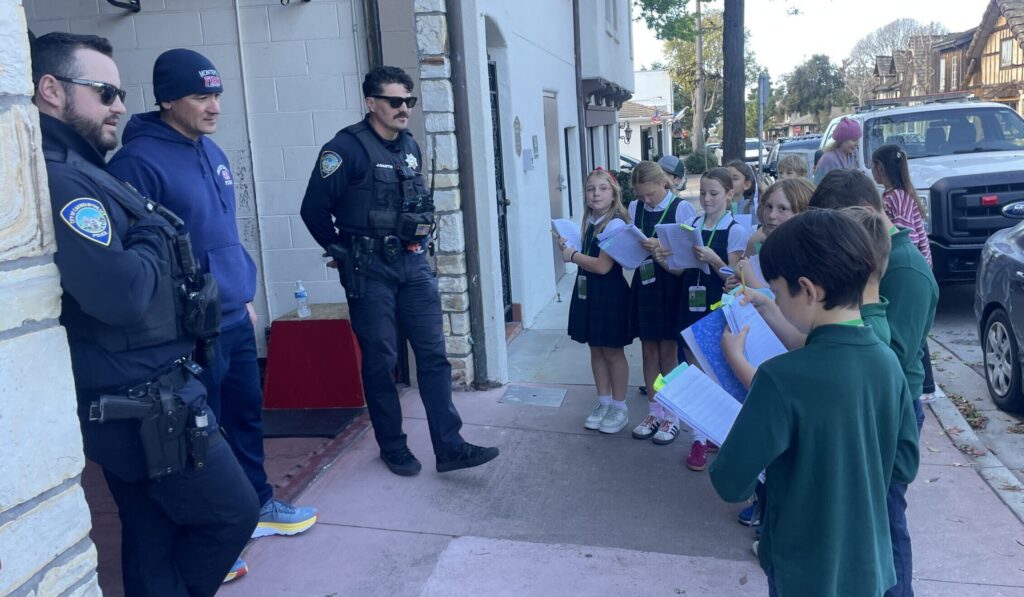
The World Is Our Classroom: Field Trips at Stevenson’s Carmel Campus
 Happening Now
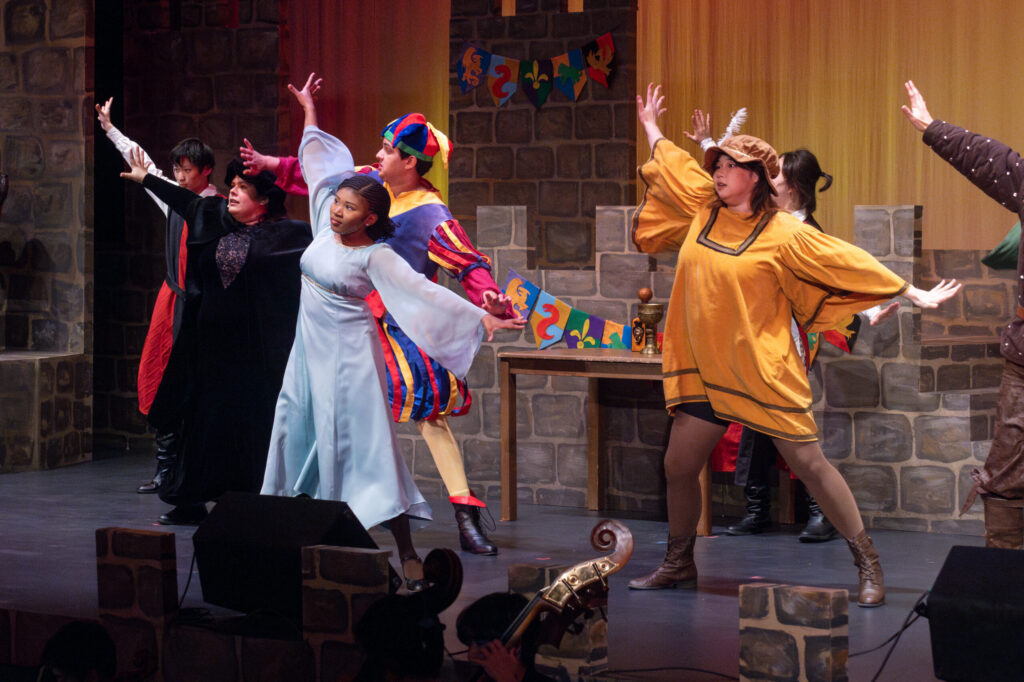
Celebrating the Arts at Stevenson: A Season of Performance, Music and Movement
 Happening Now
Finding Their Voice: Grade 4 Students Take on Journalism
 Happening Now
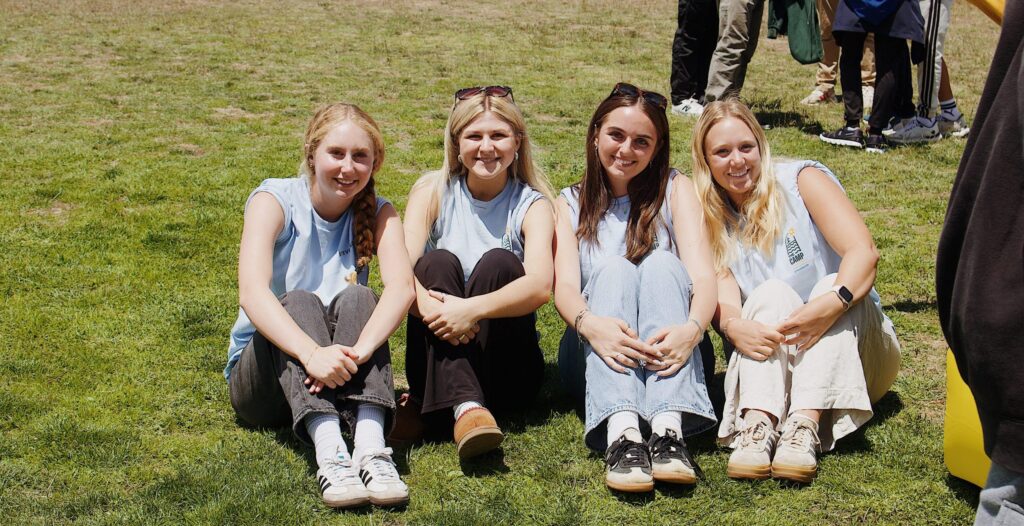
2026 Summer Camps: Discover What’s New!
 Happening Now
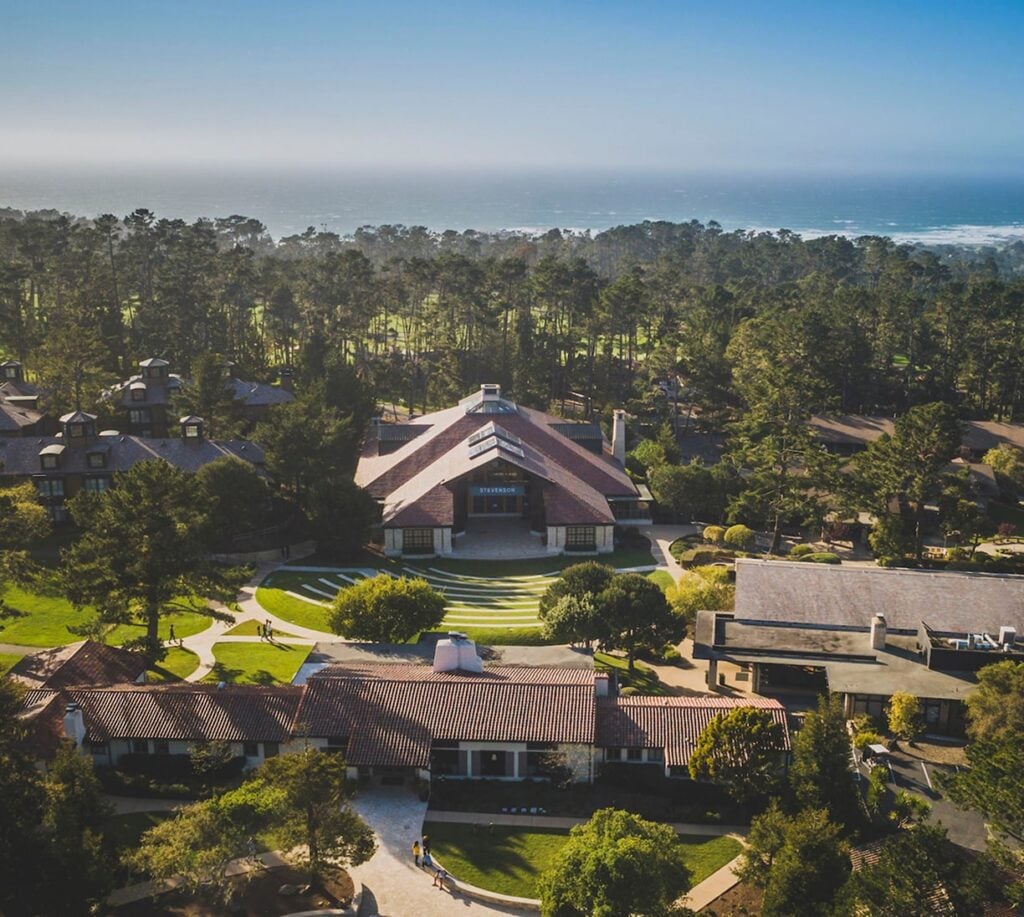
A Look Back and Ahead—in the Lower Division
 Around Campus
Celebrating an Exceptional 2025: A Year of Achievement at Stevenson
 Happening Now
Stevenson Named Best School on the Monterey Peninsula

Begin YourNew Adventureat Stevenson
Complete our request form and we'll guide you through each step of the Admissions process.